
Planning a trip overseas is a mixed bag of emotions – some love it, others hate it. As for me? Well, I’m somewhere in the middle. In this journey of planning for our overseas adventure, I’ve stumbled upon a revelation: sometimes, less is more. It might sound counterintuitive; after all, doesn’t more planning lead to a better outcome? Not always. Let me rewind to the early stages of our travel planning, where I’ll unfold the sequence I followed – a sequence that is proven to work a charm (in my humble opinion).
The beginning
The inaugural question on our planning agenda: Where to?
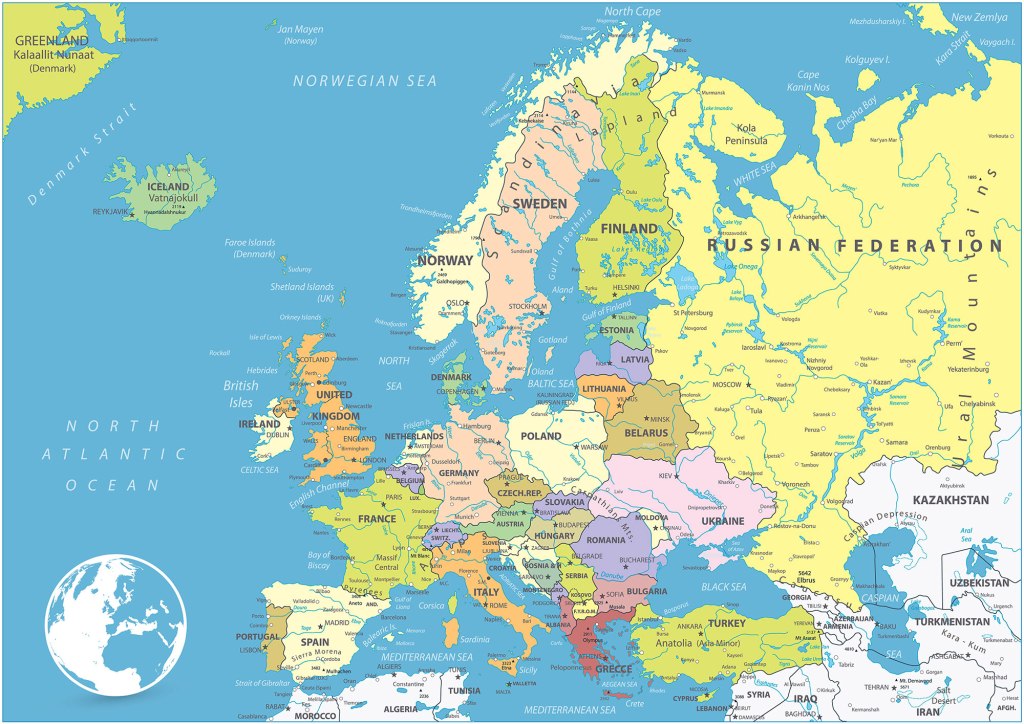
For myself, Matt & Tyler, the answer came surprisingly easy. The UK emerged as our first stomping ground, followed by a whirlwind tour through as much of Europe as our 4-6 month timeline would allow. The grand plan included a pit stop back in the UK for 1-2 years, a strategic move to replenish our funds for the ongoing adventures while we are there.
This decision had been brewing throughout the year, a topic of countless discussions. However, until around the beginning of August, it was all talk and no action. The turning point arrived when we collectively said, “Yep, let’s do it,” (I swear we said it at the same time) marking the commencement of our journey into travel planning.
Pre-flight booking check
Embarking on the journey to find a flight from New Zealand to London (for me anyway) presents two paths: the reassuring guidance of a travel agent, though at a higher cost, or the self-navigated route I opted for. While venturing without a travel agent might initially sound daunting, consider it a rewarding challenge—a confidence-building experience for the rest of your travel. Here are some recommendations I will expand on for those tackling the challenge of booking a flight without a travel agent:
- Cheaper is not always better
- Book 6-8 months ahead of time
- Read the T&C’s
Cheaper is not always better
Choosing a cheaper flight may seem like a wallet-friendly decision at first, but it’s essential to consider the potential long-term costs and challenges. Cheaper flights often come with drawbacks that can impact the overall success of your journey:
- Flight Cancellations and Changes: Cheaper airlines may be more prone to flight cancellations or sudden changes in boarding times. This unpredictability can disrupt your travel plans, leading to missed connecting flights and complications in reaching your destination.
- Shorter Layover Times: Cheaper long-haul flights often feature shorter layover times. While this might save time on paper, it can be risky, especially if the connecting flight is not with the same airline or managed by the same entity as the original flight. Delays or cancellations on the first leg of your journey can result in missed connections.
- Connecting Flight Issues: If opting for a different airline for the connecting flight, ensure the layover allows ample time. In the event of delays or extended processing times at the airport, having a comfortable buffer in your layover can prevent unnecessary stress.
In essence, the allure of cheaper flights should be approached with caution, considering the potential domino effect of disruptions on your overall travel experience. It’s a balance between upfront savings and the assurance of a smoother journey.
Book 6-8 months ahead of time
Securing your flight reservations 6-8 months in advance emerges as the sweet spot for optimal airfares. During this early booking window, the aircraft has not reached its full capacity, and as a result, seats are frequently available at more affordable rates. This strategic approach brings forth several advantages:
- Cost Efficiency: Booking in advance often translates to lower airfares, allowing budget-conscious travellers to capitalise on favourable pricing.
- Extended Planning Horizon: By confirming your flight well ahead of your travel date, you gain an extended planning horizon. This timeframe offers the luxury of ample preparation, enabling you to meticulously organise other facets of your journey.
- Solid Foundation: A key benefit of early booking is the establishment of a solid foundation for your trip. With your flights secured, you have a definitive starting point around which you can plan and coordinate the various components of your travel itinerary.
This approach not only ensures cost savings but also provides the luxury of time, empowering you to craft a well-thought-out travel plan. As you lock in your affordable flight, you gain the flexibility to focus on other essential aspects of your journey, contributing to a smoother and more enjoyable travel experience.

Read the T&C’s
Navigating airline regulations is a crucial step in preparing for your overseas adventure. Each airline maintains specific guidelines, and understanding these requirements is paramount to ensuring a smooth journey. Here are some key considerations to help you align with airline regulations:
- Powerbank Sizes: Airlines commonly have restrictions on powerbank sizes due to safety concerns. While the standard limit is often set at 20,000mAh (approximately 74.6 watt-hours), it’s essential to verify the specific regulations of the airline you choose. Some carriers may permit slightly larger or smaller powerbanks, so checking and adhering to these guidelines helps prevent any complications during security checks.
- Carry-On and Luggage Sizings: Airlines impose limitations on both carry-on and checked luggage sizes. Familiarise yourself with the prescribed dimensions for these items, as exceeding the specified limits can result in additional fees or challenges during boarding. Most airlines provide detailed information on their official websites, offering clarity on acceptable sizes for cabin bags and checked luggage.
- Liquid Sizes for Toiletries: Don’t overlook the liquid restrictions when packing toiletries. Airlines often follow the 100-millilitre rule for liquids, gels, and aerosols (approximately 3.4 ounces), which should be stored in a clear, plastic bag. Passengers typically are allowed one bag each. Verify the specific guidelines of your chosen airline, as variations in these restrictions may exist. Complying with these rules ensures a seamless journey through security, preventing potential delays or confiscation of your preferred toiletries.
By proactively reviewing and adhering to these regulations, you can streamline your airport experience and avoid any potential inconveniences. Planning ahead ensures that your equipment and belongings align with airline standards, contributing to a hassle-free and enjoyable journey.
Finding the perfect flight
So, Jordan, how do you embark on the quest for the perfect flight that aligns seamlessly with your budget? Well, hold on to your hat, (yes you the one with the cap on) because I’ve got a lineup of fantastic websites that some may call the closest thing to having my own personal co-pilots in the search for epic flight deals:
- Google Flights – click here
- Skyscanner – click here
- Webjet – click here
- KAYAK – click here
Picture this: you, me, and these platforms on a digital adventure (sounds horrible I know), tailoring searches to suit our needs. Google Flights and Skyscanner, my personal favourites, lay out the month’s flight options in a format even your grandma could navigate. They draw flights (not literally) from various sources, throwing them together in one magical pot, or well, webpage, making it a breeze to pick out the best flight for you. See, all unicorns and rainbows in this flight finding department.
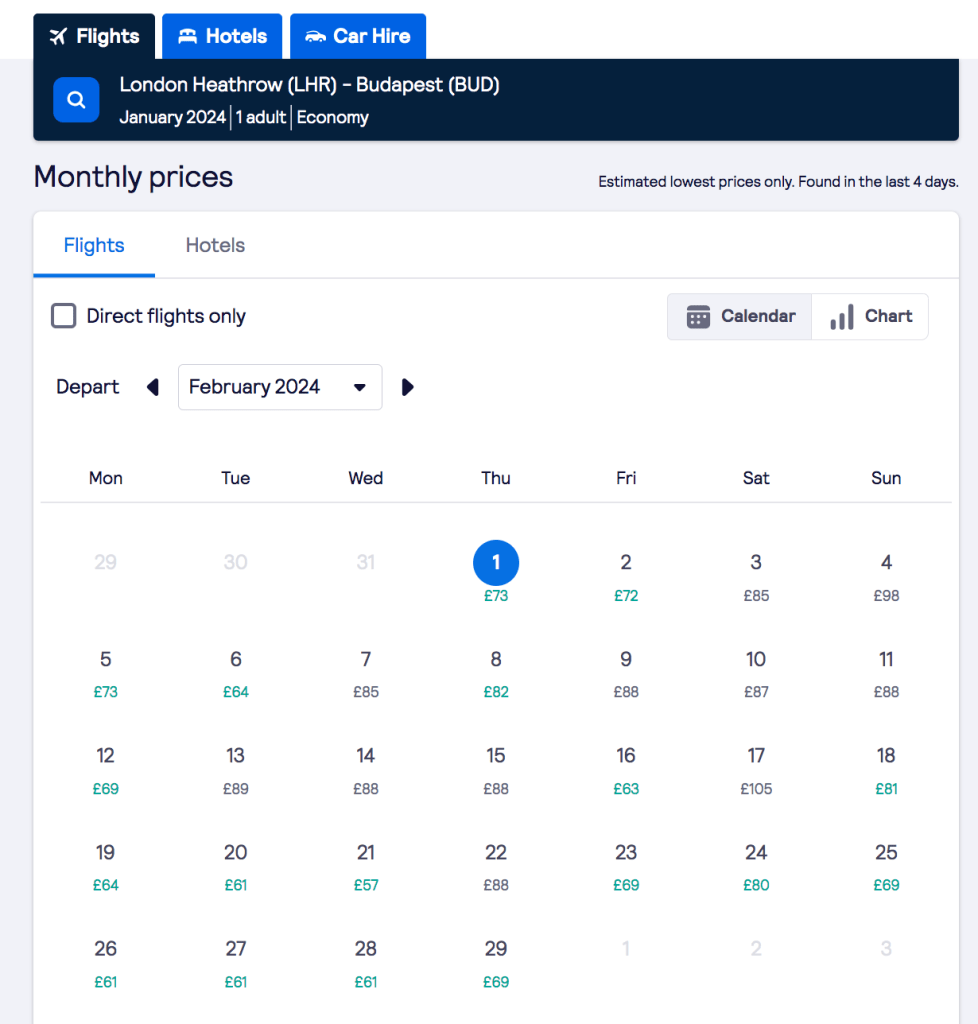
Webjet and KAYAK, while slightly less user-friendly, are solid alternatives if you swing that way. All of these websites can also be used to find accommodation too. So, if you want you can work in some cheeky accommodation for your first few nights too. So, embark on your quest, and may you find the ideal flight for your upcoming adventures!
The perfect flight does exist
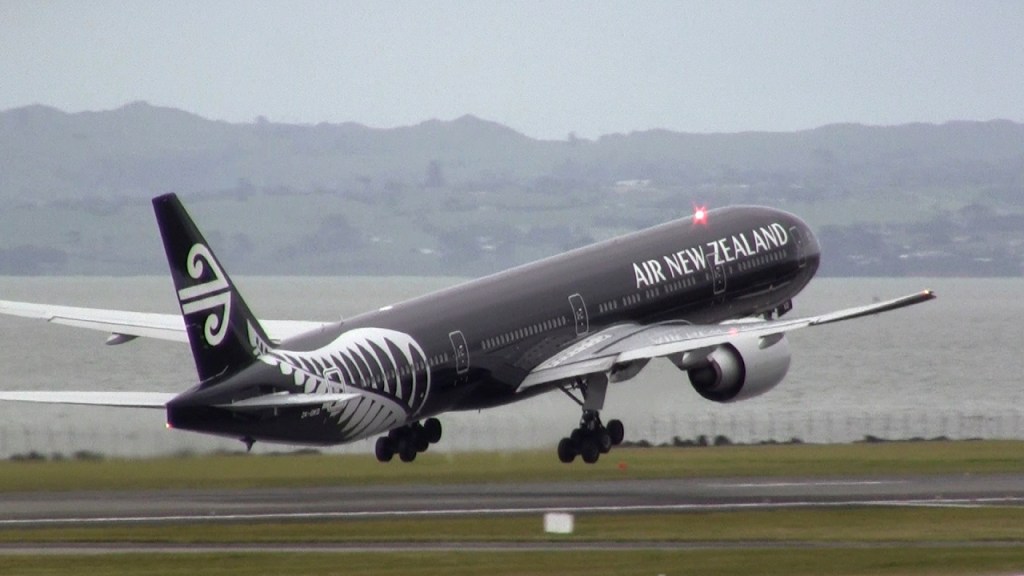
So what did I manage to snag for my flight then? Well after some off and on half arsed searching (finding flights but not committing) for a month the worlds aligned. I had my eyes on March flights from New Zealand to London, via Singapore, USA, or Australia—each with a price tag of around $1,300 NZD. Not too shabby, you might think, but hold your horses, for the plot thickens!
Beware the siren call of cheaper flights, my fellow travellers. They often tempted you with different companies and inconvenient layovers. But fear not! In the month of September, a three-day flash sale by Air New Zealand rolled in. For a mere $1,100 NZD, we could fly to various European destinations, and lo and behold, London was one of them.
The flight, a team effort between Air New Zealand and the brilliant Singapore Airlines, promised a brief 2-hour layover. However, the layover being short wasn’t a concern because the airlines were working together for the deal. This means any delays would be swiftly handled with the next flight being adjusted to suit the flight you would be on. And just like that—boom (forgive the choice of words when dealing with planes)—the tickets were ours!
Our journey unfolds: from Dunedin to Auckland to Singapore and, finally, to the grounds of Heathrow Airport, UK. Set your compass, mark the date—March 19th—an adventure of a lifetime begins!
So there we have it. First stage done, you’ve booked your flight to nowhere. Stay tuned for the second lot of challenges and triumphs… cause boy there certainly are some.

Now get outta here you dirty dog! Either read more or go do something.
 Rural Lad Abroad
Leave a comment