A guide on how to get to the service and what to take / expect
Guide starts at number 3
- The beginning of no sleep
- Road to Eceabat
- Eceabat to ANZAC Cove
- My Gallipoli ANZAC Day Dawn Service Experience
- Rest of the day
The beginning of no sleep
The train ride through Istanbul from the airport to where we roughly needed to be dragged on, especially considering it was about 1 AM by the time we got near our hostel. The airport, being in the middle of nowhere, didn’t help.
Finally, with the hostel in sight and delusion kicking in, I increased my pace and burst through the door, ready to sleep on the floor if necessary. Room key acquired, there wasn’t going to be much time for sleep with an early rise in the morning to catch the bus to Eceabat. So, naturally, like a bull in a china shop, I snuck into a dorm full of sleepers (not the wooden kind).
I desperately needed a shower, despite the time being close to 2 AM. The problem was, it was an ensuite. The other problem was, at this point, I didn’t care. I showered with a silencer attached (don’t ask how that works) before climbing into bed and finally shutting both my eyes at the same time.
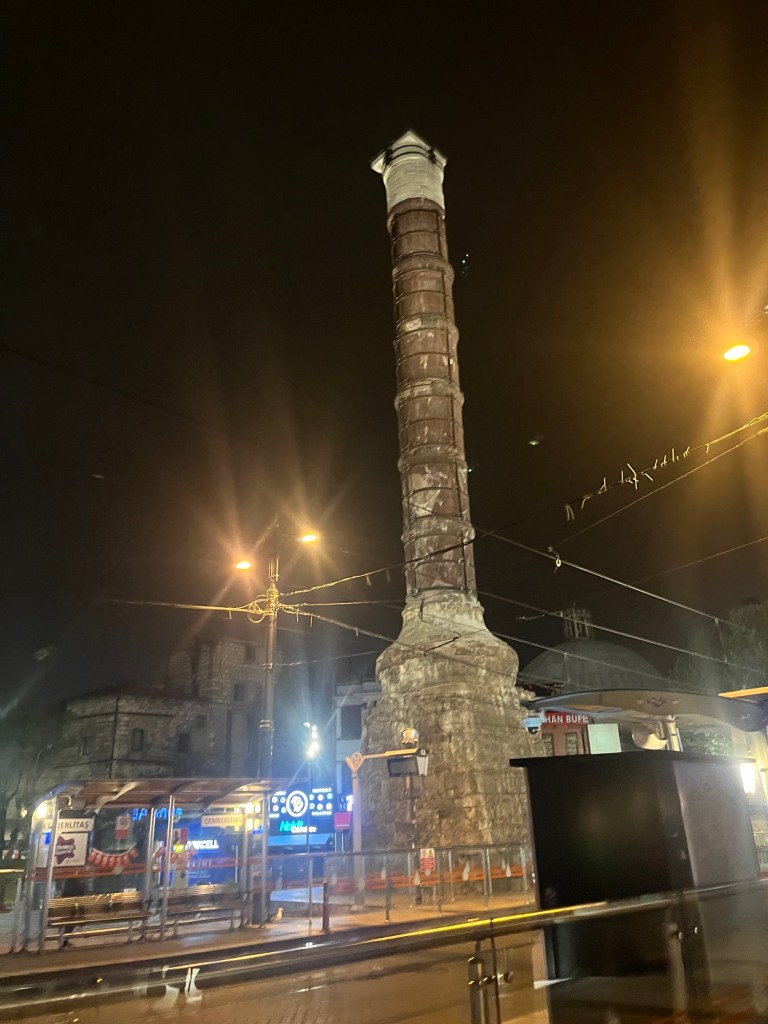
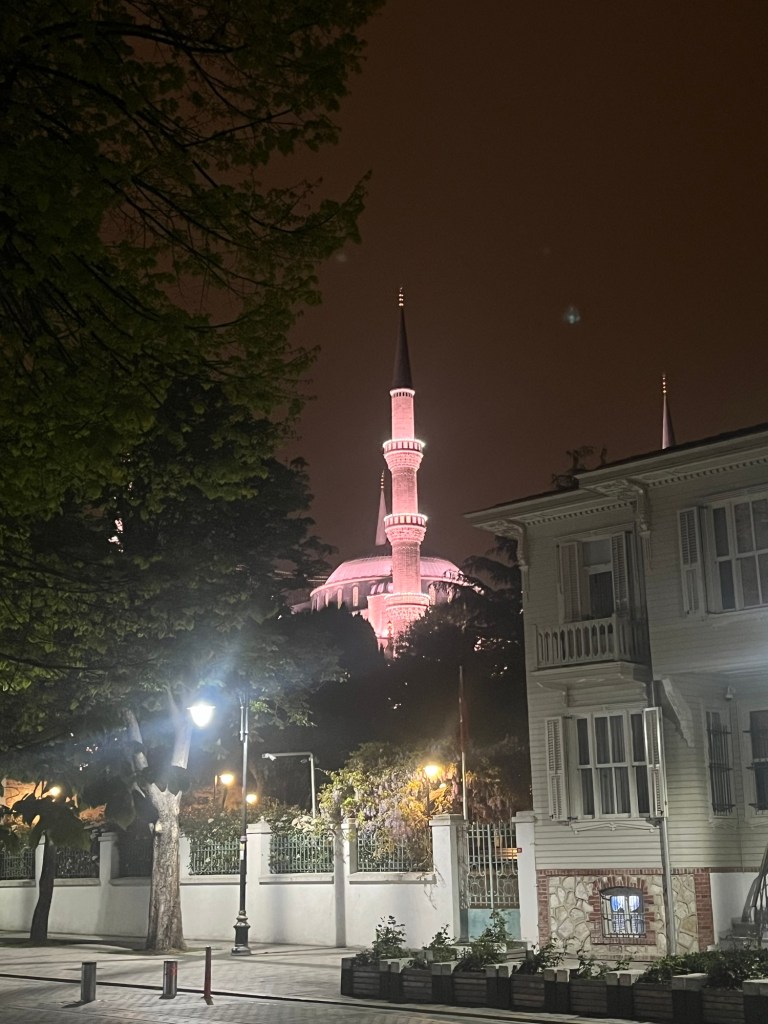
Walk through Istanbul to Hostel
Road to Eceabat
Eyes opening slowly from the lack of sleep and the early wake-up, I noticed that half the room was missing—hopefully, those people would be found again. After packing up my stuff and heading downstairs, I was delighted to see breakfast being served, even though it shouldn’t have been at this point. Naturally, I tucked in and scoffed down my free breakfast before quickly brushing my teeth and boosting to the metro to get to the bus station.
A quick scramble to some nearby ‘supermarkets’ turned up nothing in terms of food for the soon-to-be long bus ride to Çanakkale. I say ‘supermarkets’ because they had everything chip-like minus a sandwich or some form of bread.
With my bag in tow, it was a bit of a trek to the train station, where we boarded a train and then exited at the bus station. After asking around at the bus service depots, eventually the correct one was located. It was time to park up for a little bit before the bus was due to arrive and leave. Fortunately, this was a big place with many shops. I managed to find some water and a sandwich, which turned out to be vegetarian—not my first choice, considering it was lacking in the meat department.
Anyway, back sitting in the seats waiting for the bus, a man outside was yelling in what I assume was ticket sales. Please enjoy the video below.
This bus was great, and so were the seats. I was right at the very front, giving me enough room to uncoil my legs every now and then. Since it was a very long bus ride, this made things even better. The only downside was that there was no toilet, but with plenty of stops along the way, this wasn’t a big deal.
Again, I can’t commend Turkish hospitality enough. Tea, coffee, and fizzy drinks were offered during the trip, along with a cookie. A very nice-smelling hand gel was provided multiple times during the ride, which was super refreshing (for my hands, not for drinking, don’t worry).
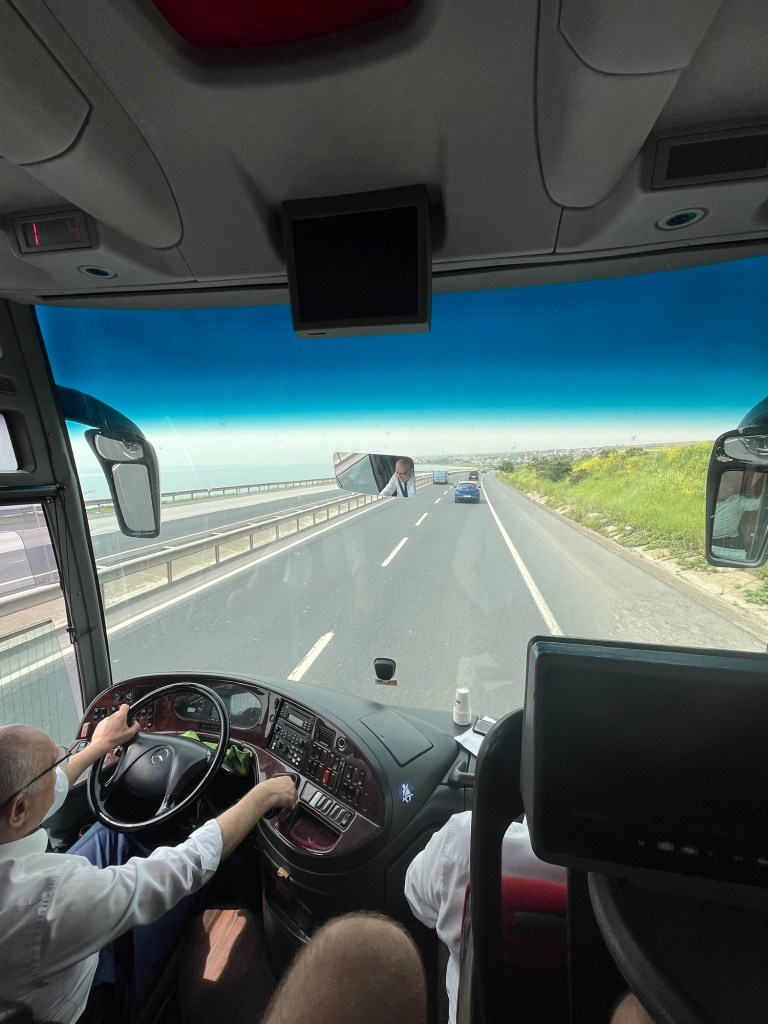
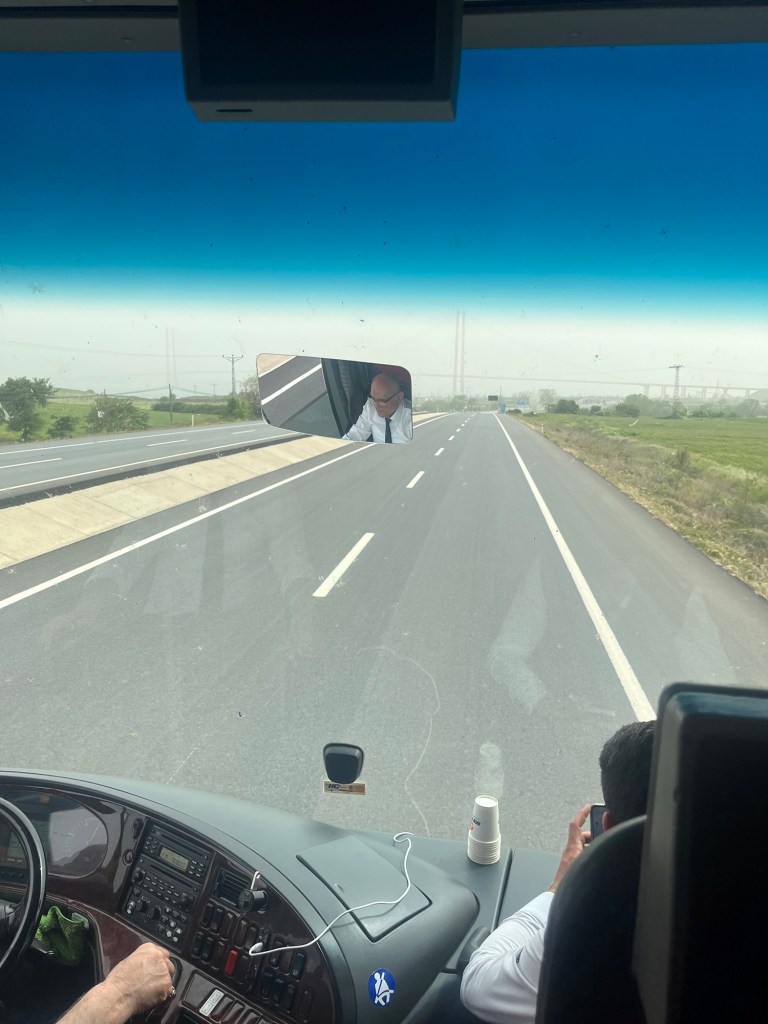
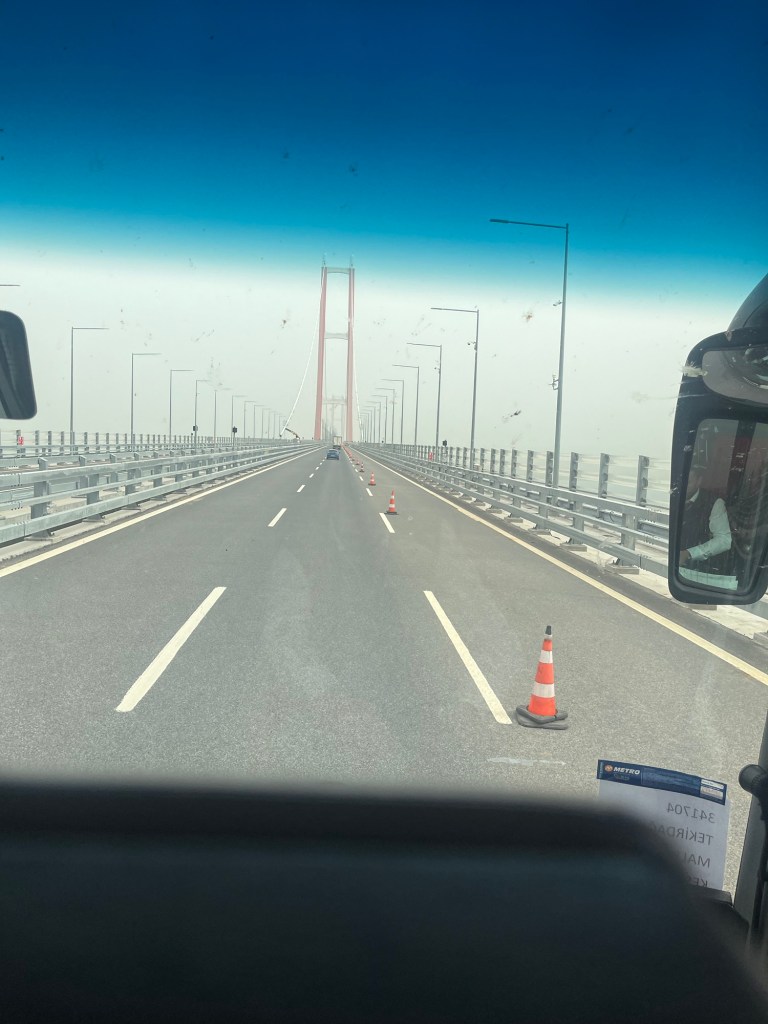
(over bridge)
During our journey out of Istanbul, the bus was waved into a checkpoint by some police with big guns—and I mean the shooting kind. One of the officers boarded and checked passports. One passenger was taken off the bus for questioning and, unfortunately (or maybe fortunately, who knows?), he wasn’t allowed back on. I must also note that the horn gets fully utilised on the roads of Turkey, going off every couple of seconds! Rumour has it, every time you clap your hands, six horns sound in Turkey.
Finally, after hours of travel and crossing the biggest bridge I have ever seen, the bus pulled into Çanakkale bus station. Unfortunately, this bus station was quite a way out of town and there were no taxis or buses in sight. But with a little faith, there must be one, right? Well, luckily, exiting the other side of the bus station seemed to be on the right track. Still not convinced about which bus to take, a man appeared—or was it an angel? He initially approached us, speaking in Dutch, asking if we were Dutch. When he found out we weren’t, he told us, through very broken English, that he had been a policeman in the Netherlands for 45 years but had finally come home to where he was raised. After trying to decipher this story, he asked if we needed a hand. He then advised us to wait for the PURPLE Bus (the same one he was taking), which would take us right to the centre of town for a super cheap fare. This man, whose name I can’t remember, was a lifesaver and another great example of the kindness and helpfulness of the Turkish people.
The next step was getting a ferry from Çanakkale to Eceabat for ANZAC Day. This proved very straightforward, especially with the ferry terminal being packed full of Aussies and Kiwis who had all made the journey around the world to commemorate this very special day in the place it occurred all those years ago. With ANZAC Day at the forefront of my mind and a sense of family among those with familiar accents and even the Turkish locals in these parts, the ferry crossed the body of water, docking in Eceabat where the ANZAC journey truly began.
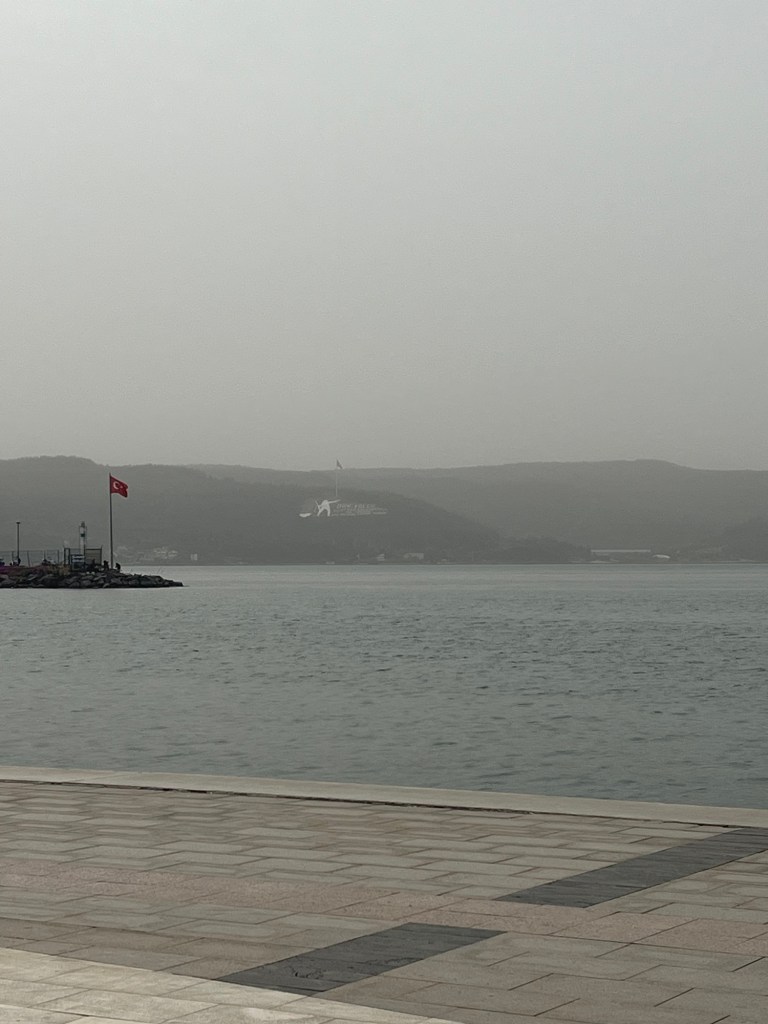
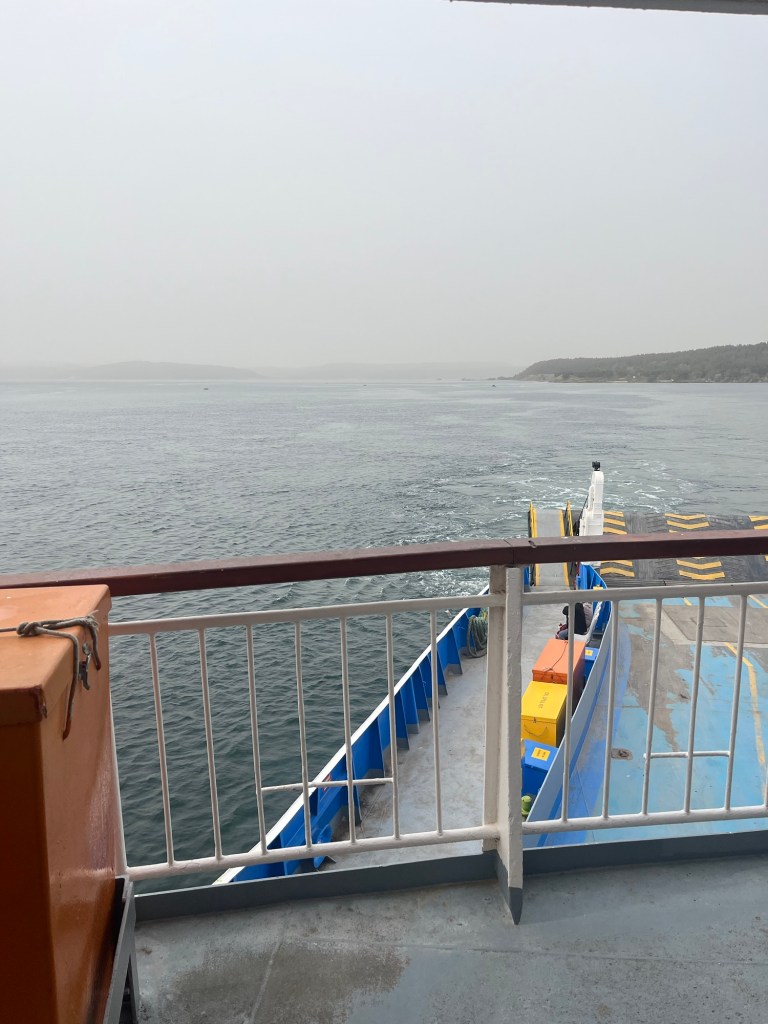
Eceabat to ANZAC Cove
If you’re planning to experience ANZAC Day at ANZAC Cove, here’s a comprehensive guide based on my experience. Information was scarce when I embarked on this journey, especially for those not part of a tour group. Here’s everything you need to know.
Let me begin this tale, which is actually all truth.
Arriving from the ferry, our first task was to locate our hotel. Since the plan was stay the night at ANZAC Cove and awake there for the dawn service, the hotel was only booked for the following night. Hoping to leave the large bags at the hotel for the night. On a park bench, I stuffed my smaller bag with essentials (jacket, warm clothes, and a sleeping bag liner), ready for a night in the cold at ANZAC Cove with other Kiwis and Aussies.
Approaching the bloke at the hotel seemed to start off well, as he greeted me in English. However, things quickly went downhill when it became clear that “hello, how are you?” was the extent of his English. The rest of our conversation had to be carried out via Google Translate. Although instead of speaking into the translator, he insisted on typing everything out, which took an excruciating amount of time to get both points across.
After some confusion due to mistranslations, we finally agreed that we could store our bags there at our own risk for the night since we were staying the next night. He said payment would be sorted tomorrow, but I informed him I had already paid on Expedia when booking the hotel. He continued to type out how he hadn’t received the payment, but I figured this was a problem for the next night (though I remained suspicious).
The following information about getting to ANZAC Cove from Eceabat if you’re NOT part of a tour was very helpful. I’ve added a little more detail past the initial taxi information that he provided, making a simple 3-step guide.
3 step guide: Eceabat to ANZAC Cove for the Dawn Service
Step 1: Catch a Taxi
- Timing: Around 1am (or slightly earlier).
- Location: Eceabat.
- Cost: Cheap as chips (agree on price beforehand).
- Instructions: Tell the taxi driver you’re going to ANZAC Cove. They will drop you at the transition area by the next bay north of the town.
Step 2: Take the Shuttle
- At the Transition Area: You will be greeted by an Aussie or Kiwi volunteer.
- Instructions: The volunteer will direct you to a shuttle that will take you to the ANZAC Cove car park. From there, you will walk the rest of the way to the cove. This service is free of cost.
Step 3: Follow Instructions
- Final Leg: Once at the transition area, all the information is laid out for you. Follow the instructions provided, and you’ll be all set for your visit to ANZAC Cove.
Important information about the ANZAC Day Gallipoli Dawn Service
- Ensure you register your attendance to Gallipoli ANZAC Day Commemorative Service here: https://commemorations.teg.com.au/en/overseas-commemorations/
- This is super IMPORTANT because if you don’t register and travel all that way, you CANNOT go to the service.
- IT GETS COLD
- If you plan to stay the night at Gallipoli where it all took place (highly recommend), bring a sleeping bag or rug and warm clothes because it gets cold.
- Bring some food with you
- There is some BBQ food you can purchase in the morning, but bring something to eat for the night.
- Airport style security
- “If it wouldn’t make it through international airport security, it won’t make it into the Dawn Service.
- Water is not a problem
- Don’t bring water as it will be poured out; water is freely handed out during your time at Gallipoli.
- They have plenty of Portaloos
- There is a big screen playing documentaries
- A big screen is located at the Dawn Service area where you will be staying the night, playing documentaries all night on the ANZACs’ battles in Turkey.
- Volunteers are there to help
- Don’t be afraid to ask the countless volunteers anything, they even have a warming room if you get too cold.
- Other services after the Dawn Service
- Lone Pine (Australian Memorial Service)
- Chunuk Bair (New Zealand Memorial Service)
- To get to these services you make the hike up Artillery Road after the Dawn service (can’t attend both due to timing). It does require a certain level of fitness but there is mobility services available if you require them.
- There’s the same style of security before entering these services, but again, water is handed out on the walk up and also at these services.
- Remember where you are
- This is a place of remembrance and reflection where people fought and died where you will be standing. Make sure if you take a video or picture during the service it is at an appropriate time.
My Gallipoli ANZAC Day Dawn Service Experience
Hanging around Eceabat
With a bag now packed full of warm essentials, snacks, and ingredients to make a cheese and potato chip sandwich for breakfast (don’t judge, they slap), it was time to find some dinner. Walking along the streets of Eceabat, it was hard to resist the enticing offers from various restaurants. However, sticking to a budget made the decision easier.
After passing up a couple of places bustling with Aussies and Kiwis, a man approached with an offer that seemed hard to refuse. He claimed to serve the best meatballs in Eceabat, and the price was certainly attractive. The fact that his restaurant had mostly locals dining inside was also a promising sign. Upon ordering the meatballs, while they weren’t the most filling meal, they were undeniably delicious—so his claim wasn’t entirely unfounded. It seemed he might just be right, as I didn’t notice another restaurant offering them on the menu.
An unexpected bonus was the mountain of free bread on the table, which helped to round out the meal. Despite not capturing a photo of it, I can assure you, your imagination will have to suffice to envision the experience.
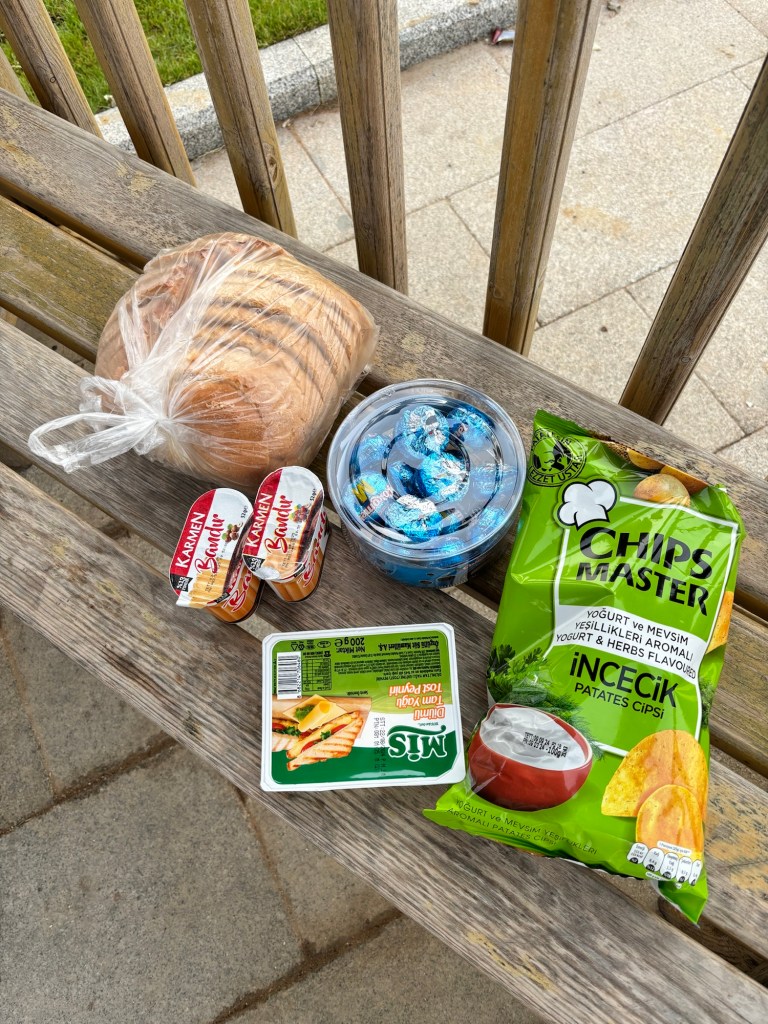
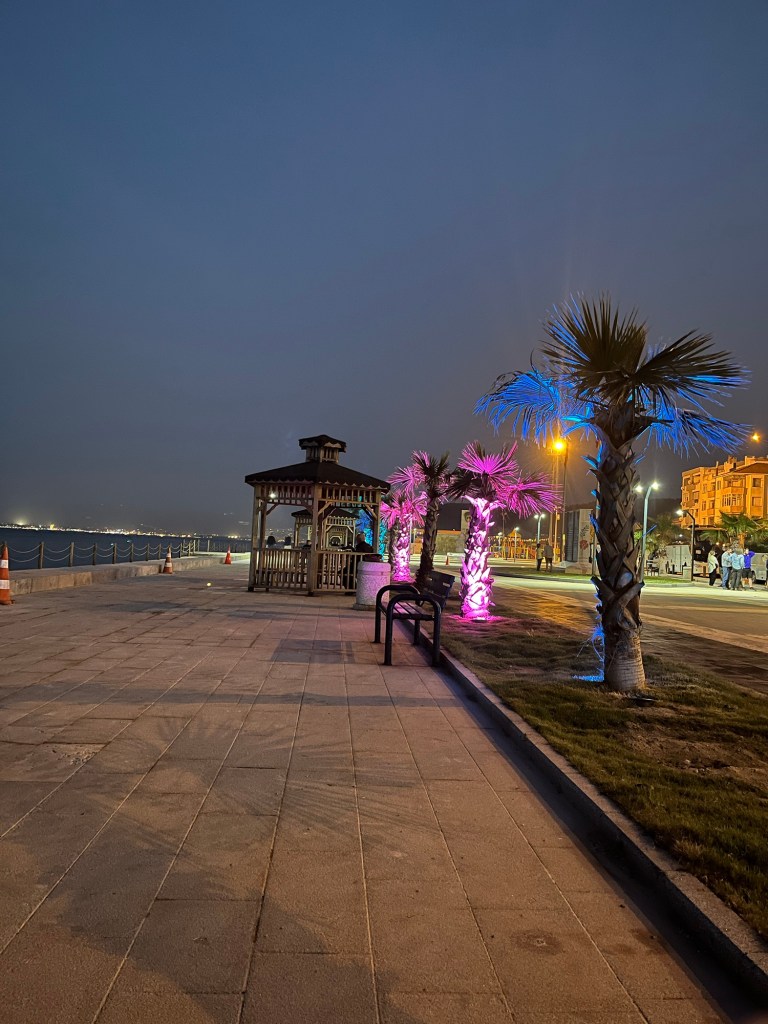
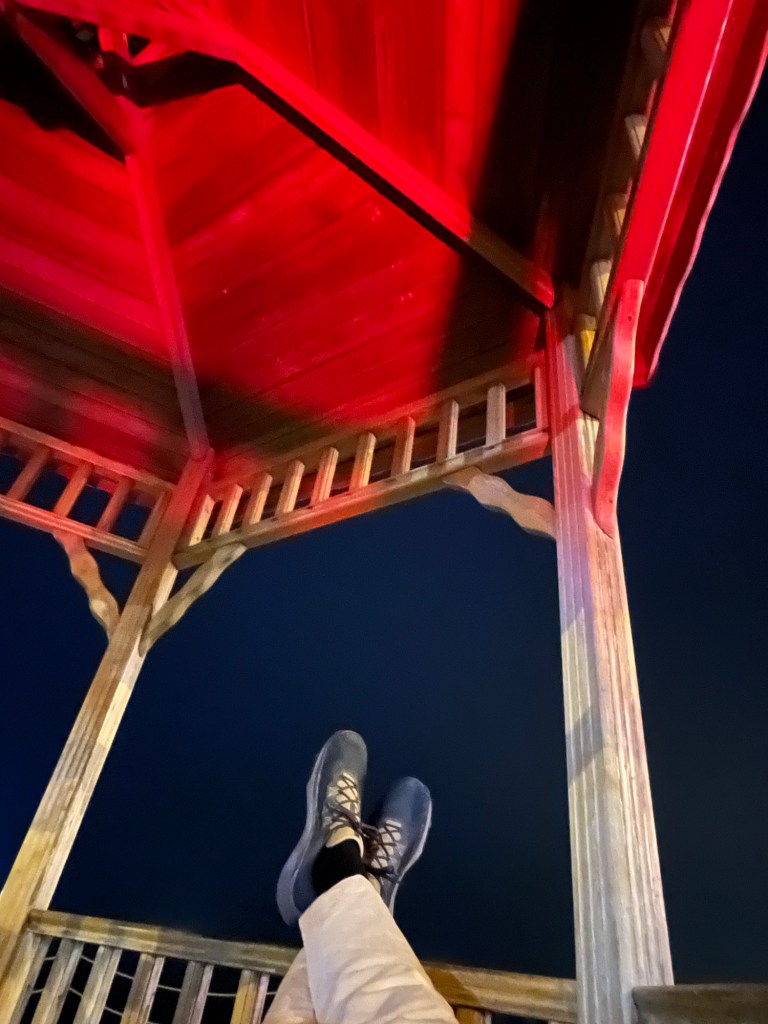
With the time now around 7:30 pm, we had several hours to pass before catching the 1 am taxi. To fill this time, we settled along the beachfront in small roofed bench areas, perfect for lounging and watching a show or two, or maybe even five. It was during this time that I realised I had once again forgotten to pack my sunscreen in my big bag. Determined not to forget it again, I decided to stash it in the rafters where we were sitting, hoping to retrieve it the next day.
Side note:
- I highly recommend booking accomodation for the night (we didn’t but it would’ve been worth it) because it means you can get some sleep before you have to leave around 12-1am.
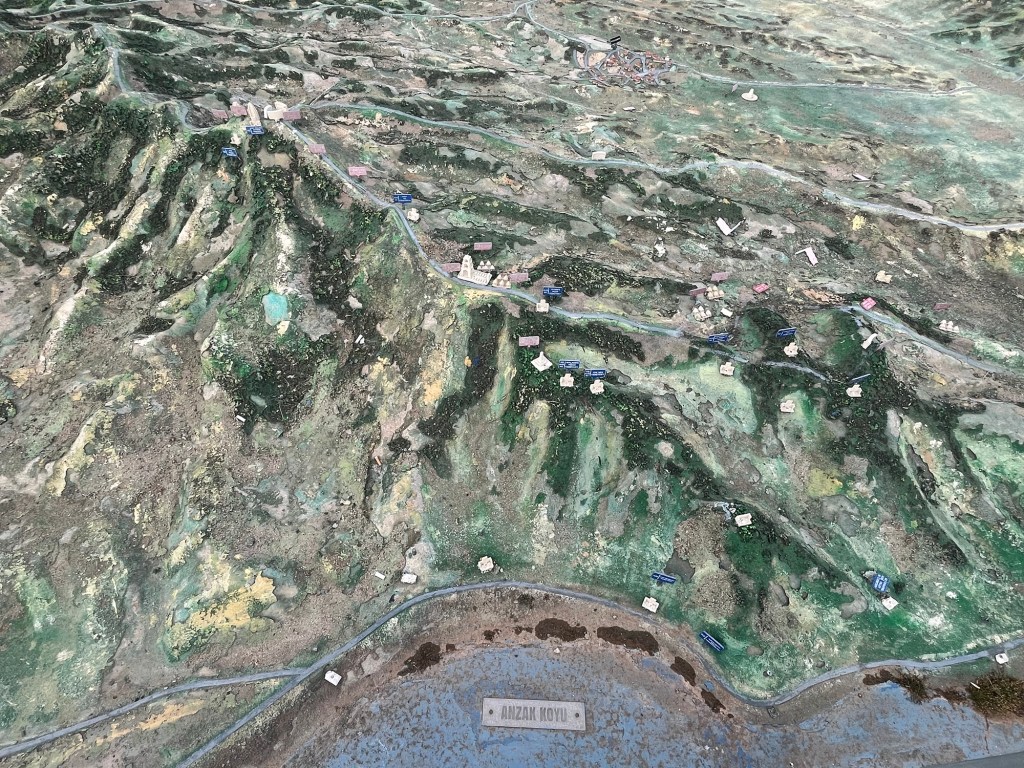
To pass more time, I opted to read through all the statues and information detailing the battles that unfolded along the Turkish coast during World War I. A scaled-down model of the Turkish coast showcased the locations of various battles. Examining the rugged terrain where soldiers confronted gunfire was truly eye-opening.
The most captivating exhibit was a life-sized depiction illustrating the proximity of trench warfare, offering a stark perspective on the challenging conditions soldiers endured. It was a powerful reminder of the harsh realities faced by those who fought in these battles (see slideshow and videos below).
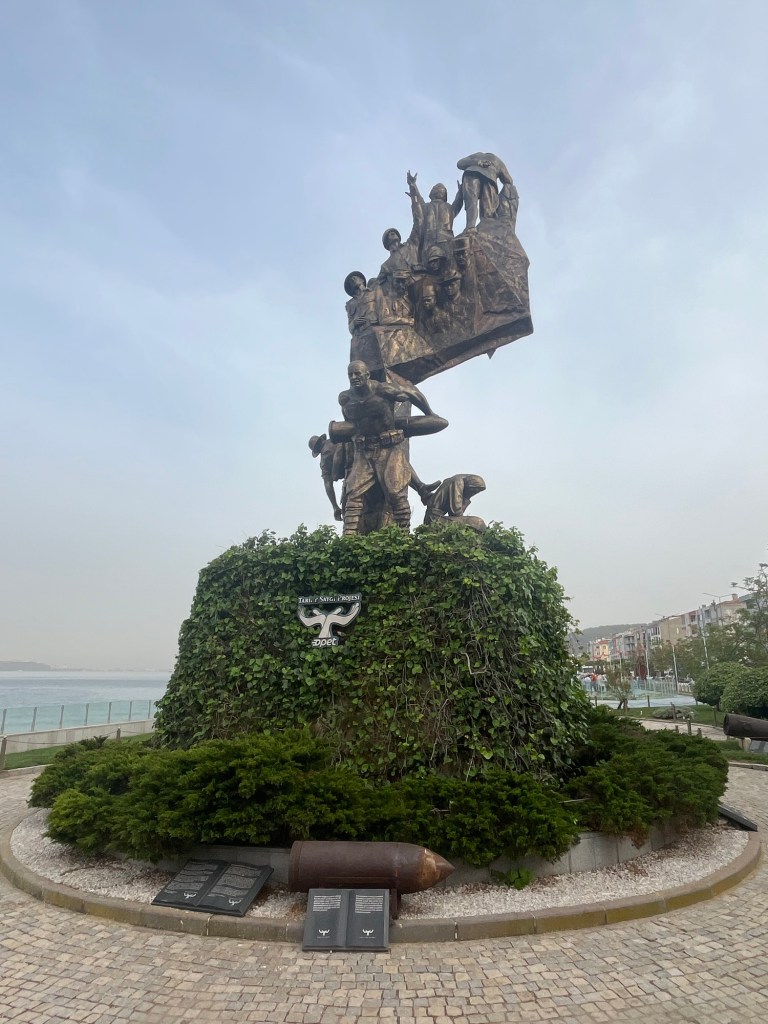
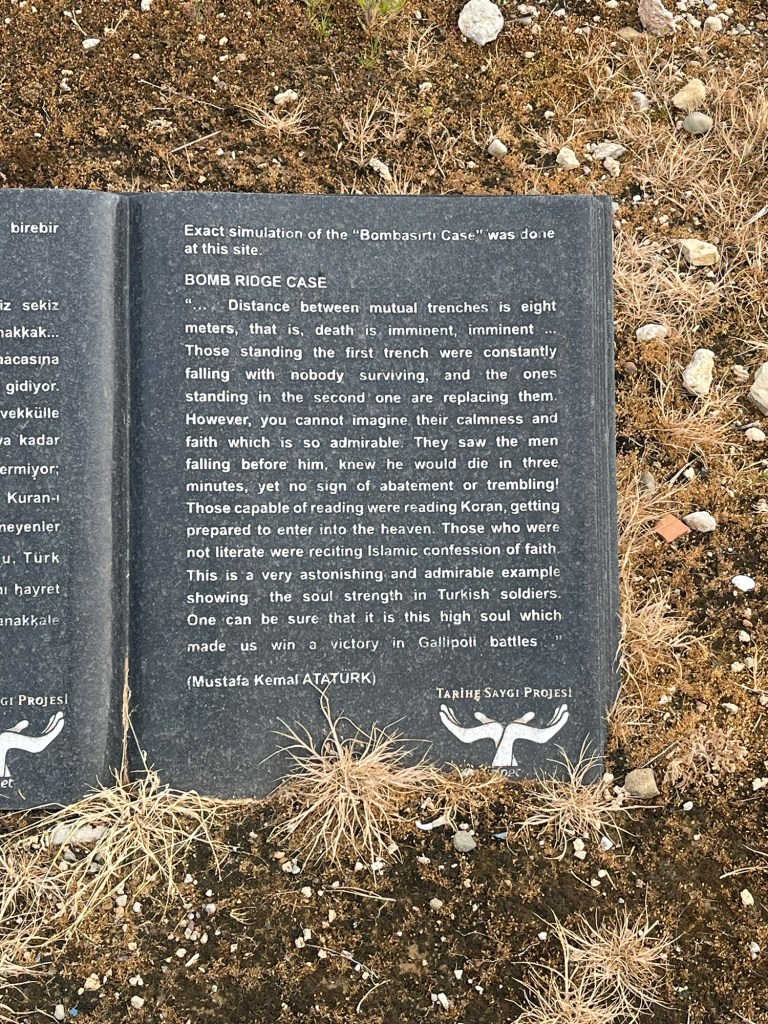
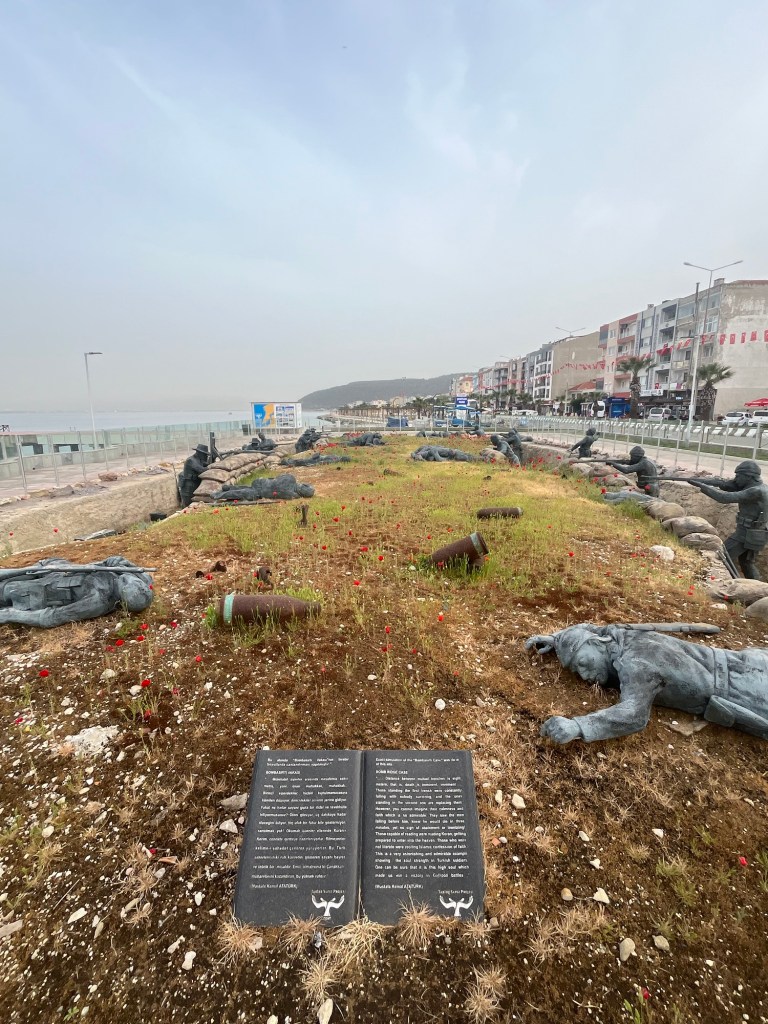
Gallipoli, ANZAC Cove
Jumping into the taxi already half asleep on the way to the transition area wasn’t the best start, but upon arrival, things only got better. The taxi ride was affordable, and being greeted by familiar accents that provided detailed information about the day ahead made it all the sweeter.
Armed with insider knowledge that seemed scarce online (likely due to security concerns), I felt prepared. While chatting with a middle-aged Australian couple while waiting for the shuttle, there was a palpable sense of camaraderie among everyone. This shared recognition of a brutal chapter in history brought us together with one common goal: to honour and remember.
Once the shuttle was ready, packed with Kiwis and Aussies alike, we set off. Fighting off sleep, eventually reaching the drop-off point near ANZAC Cove around 1:30 am. Another volunteer boarded the shuttle to guide us through the next steps. We embarked on a short walk along a lamp-lit road and passed through a security checkpoint before entering ANZAC Cove. I must again commend the impeccable organisation of this event. From the moment you begin the journey, you receive clear instructions and feel welcomed into a familiar environment.
After strolling along the softly illuminated road, accompanied by the gentle sound of the sea gently pushing its way onto the beach, we reached the security checkpoint. Welcomed by smiling faces, our bags went through scanners and we passed through metal detectors. My bag required multiple scans before two policemen confirmed that what had caused concern was nothing to worry about, allowing me to proceed. Following the security check, I was handed a souvenir bag containing water, a commemorative poppy, an information booklet, and a poncho.
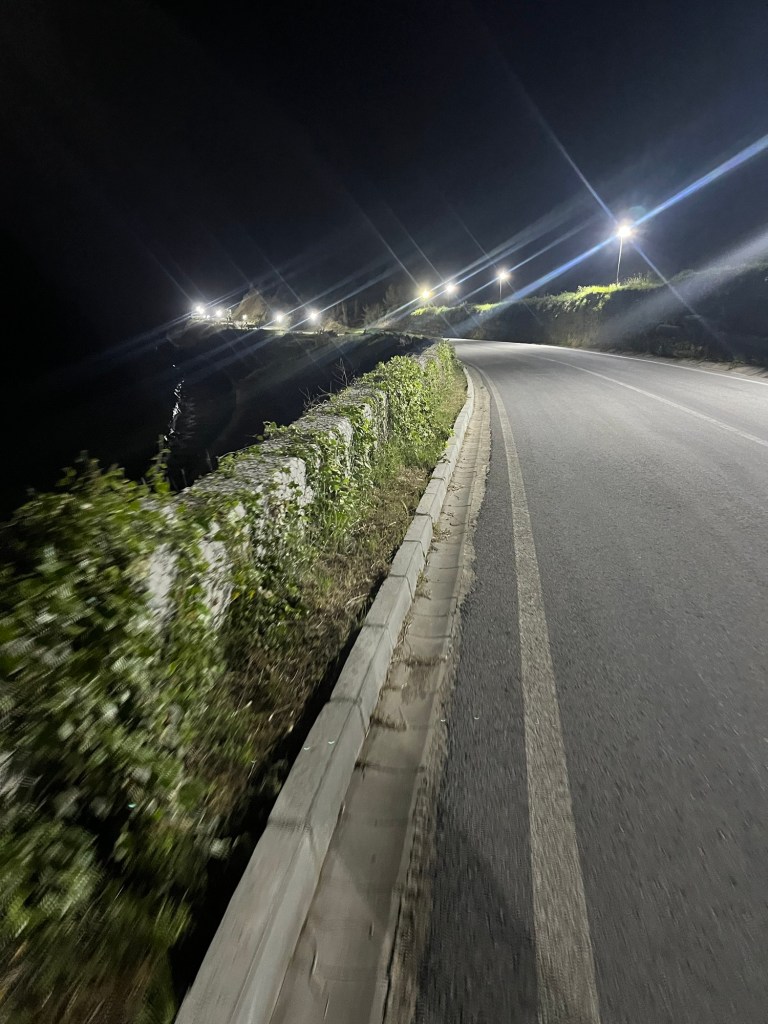
to ANZAC Cove

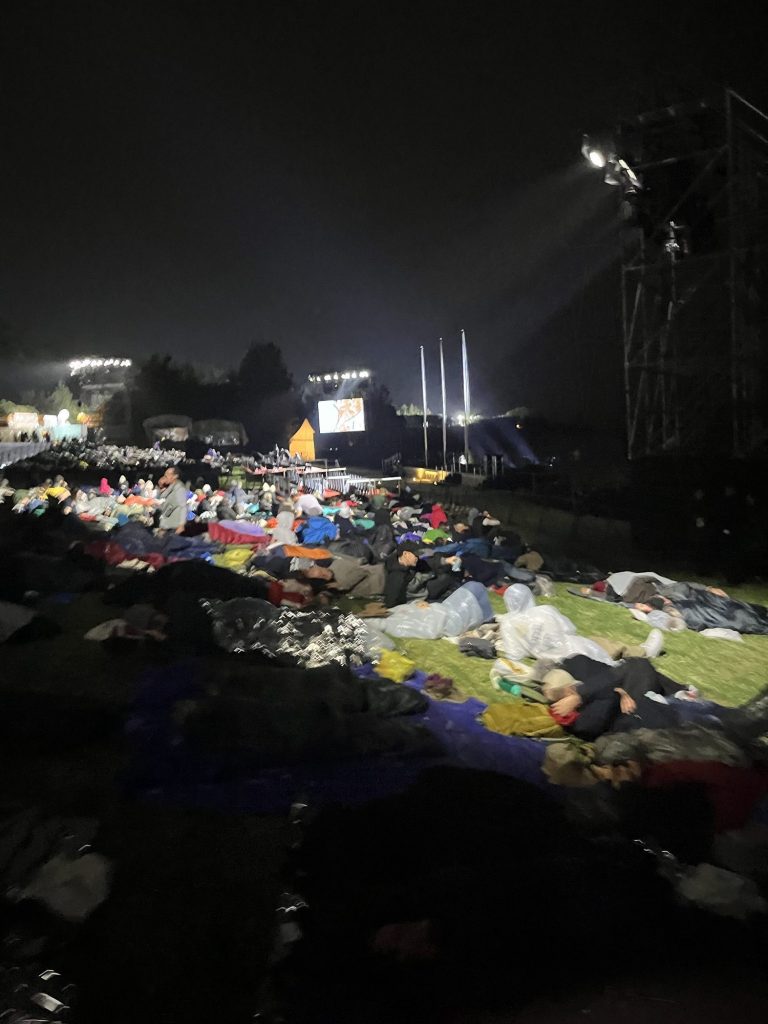
Arriving at ANZAC Cove was a surreal experience, with people scattered everywhere—some asleep on the ground, others engaged in watching documentaries. Despite the varied activities, there was an overarching sense of togetherness in the air.
Finding a spot to settle down proved challenging, but I eventually located a nice area and laid a towel on the grass. I bundled myself up in extra warm clothes, hoping to snatch an hour or two of sleep.
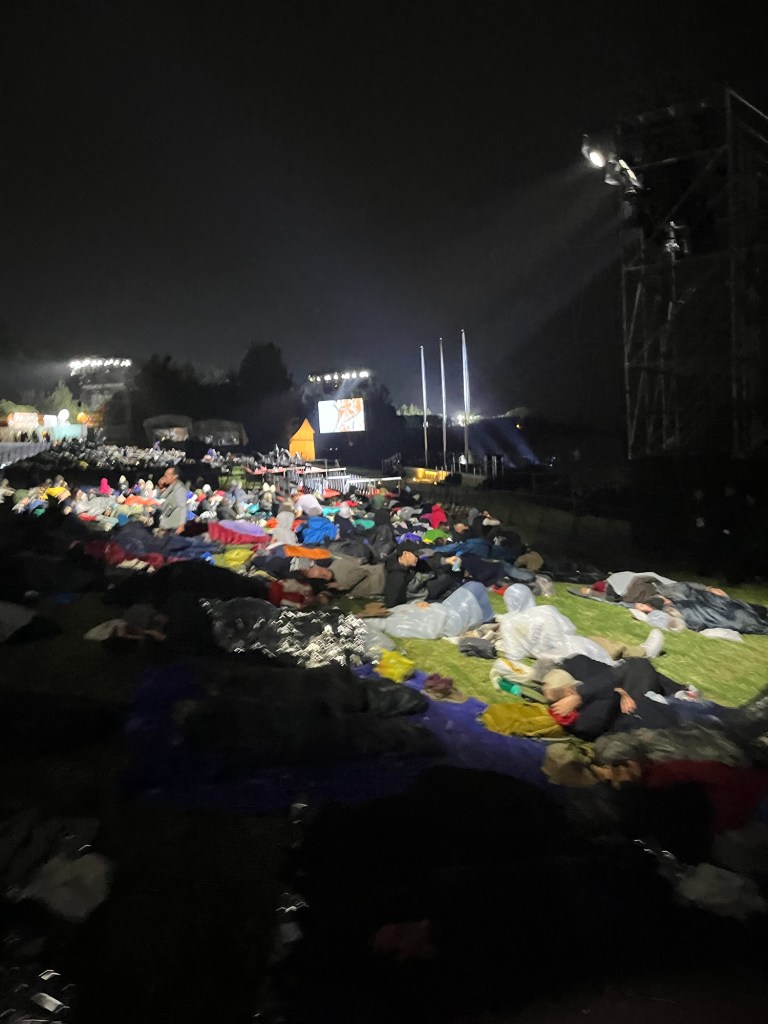
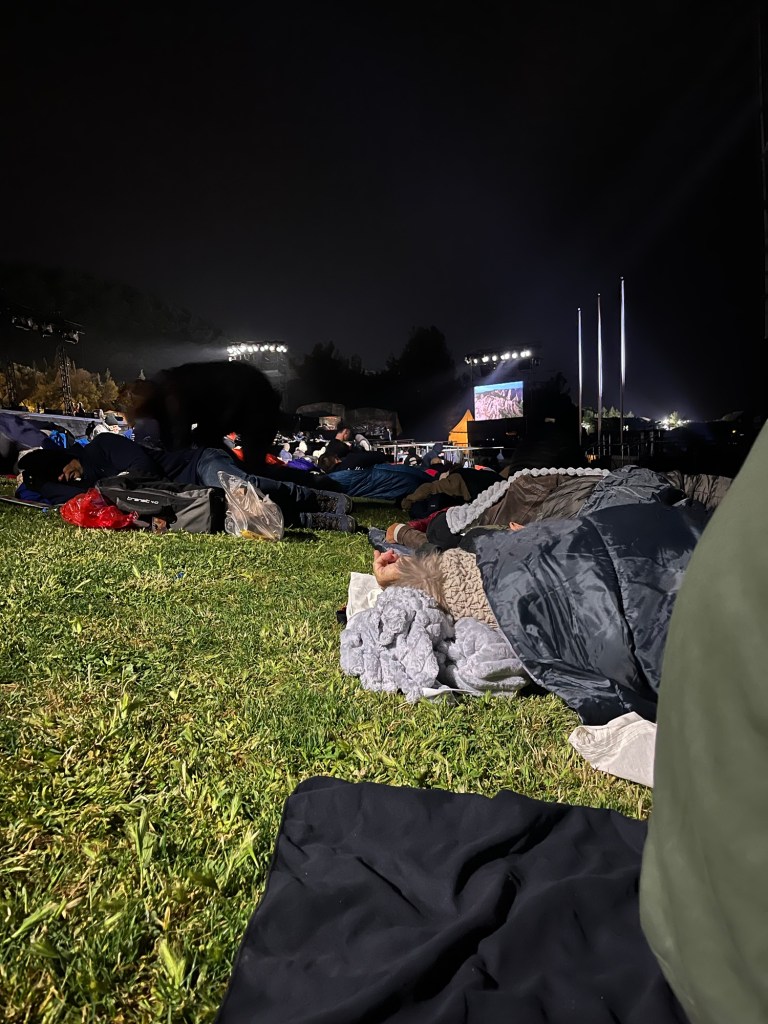
After failing to get much sleep, I sat up and watched the documentaries, absorbing the profound reality that I was in a place where people had slept, fought, fallen and narrowly escaped death. As the sun subtly rose through the fog and the sea gently lapped at the shore, the dawn service began.
It’s difficult to articulate the emotions felt during this part. Deputy Prime Ministers from both New Zealand and Australia spoke, sharing tales of brotherhood forged in the toughest of times, as well as stories of tragedy and families shattered by the loss of brothers who fell just days apart at Gallipoli. Standing in that historic place, surrounded by steep cliffs and hills covered in dense scrub, where soldiers fought desperately for every inch of ground while their comrades fell around them, was incredibly moving.
The ANZAC spirit was further exemplified by an unexpected challenge faced by the New Zealand Defence Force on their way to the service: some of their instruments and uniforms were lost in the Dubai floods. This required quick improvisation, with performances adjusted and uniforms swapped, demonstrating resilience and adaptability. In a heartwarming display of unity, the Australian Defence Force promptly stepped in, providing extra instruments and personnel to ensure that the services proceeded seamlessly. It was a true testament to the spirit of togetherness and camaraderie among the ANZAC nations.
Turkish speakers also spoke of the deep brotherhood they now feel with New Zealand and Australia, where fallen soldiers from both countries rest side by side. Turkey, once their adversary during the invasion, now warmly embraces them as honored guests. Hearing these perspectives was a profound experience, with attendees of all ages—from children to the wise types—gathered together to honour and preserve the memory of those who served. Below are some images and videos capturing moments from this poignant service.
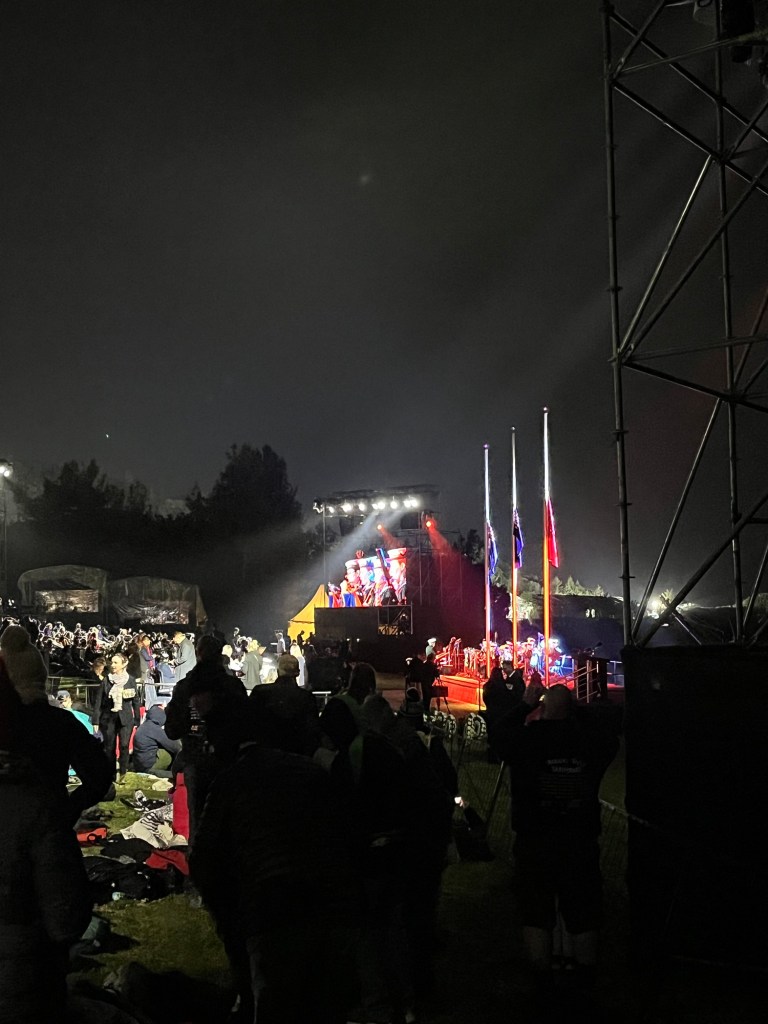
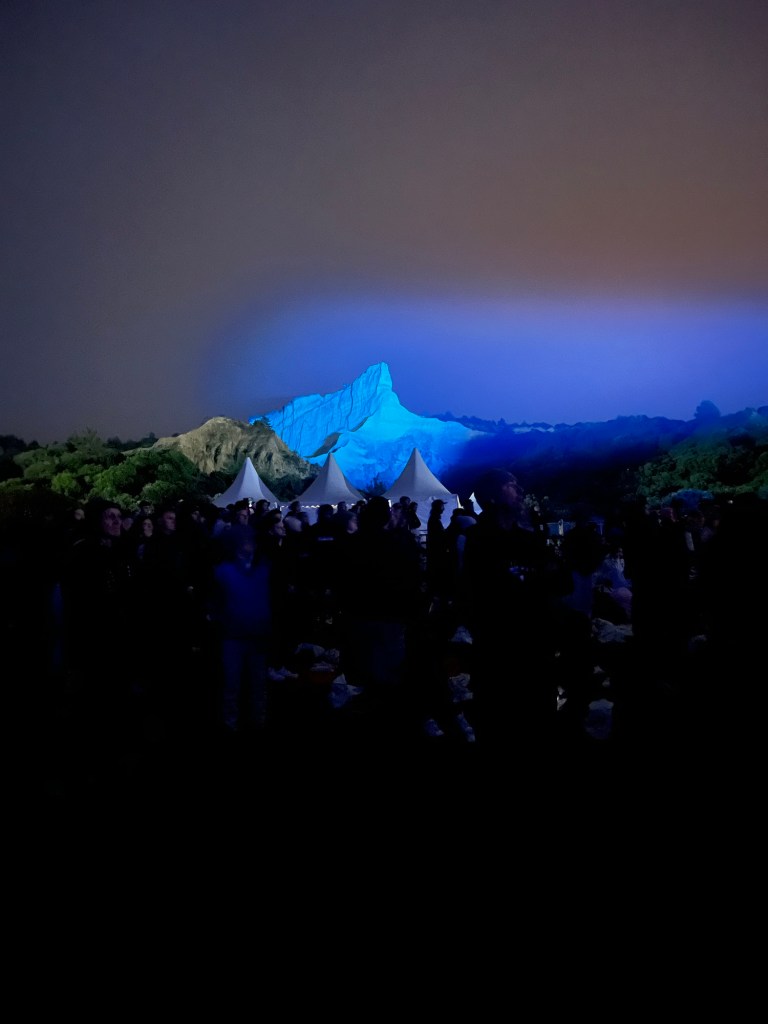
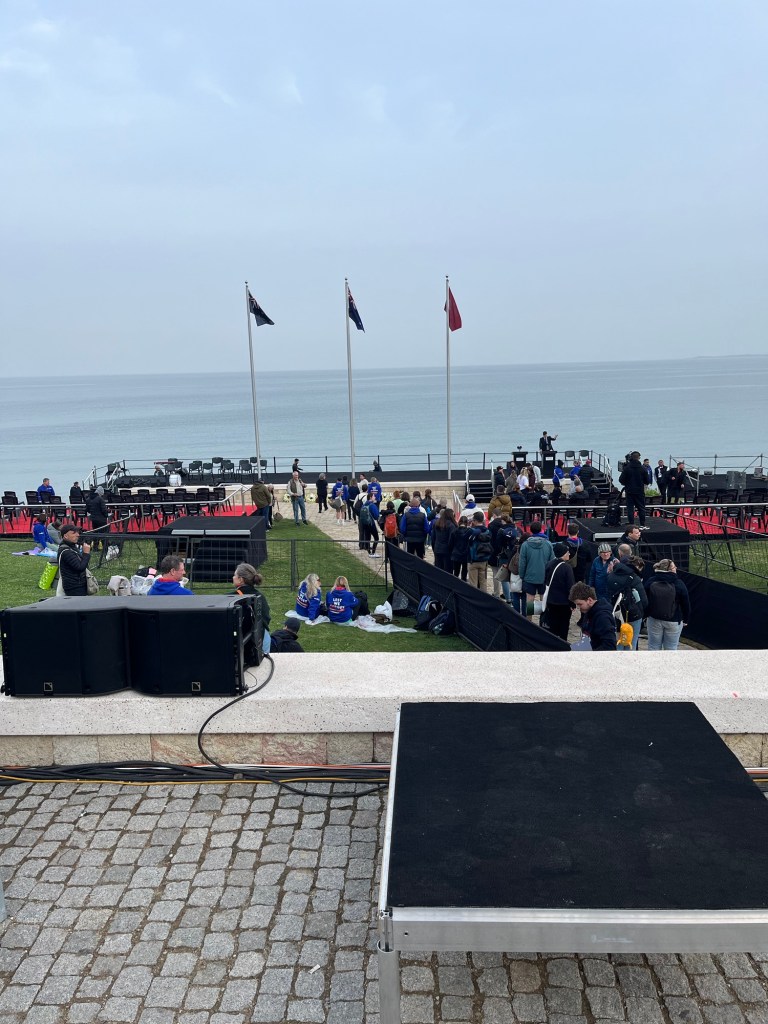
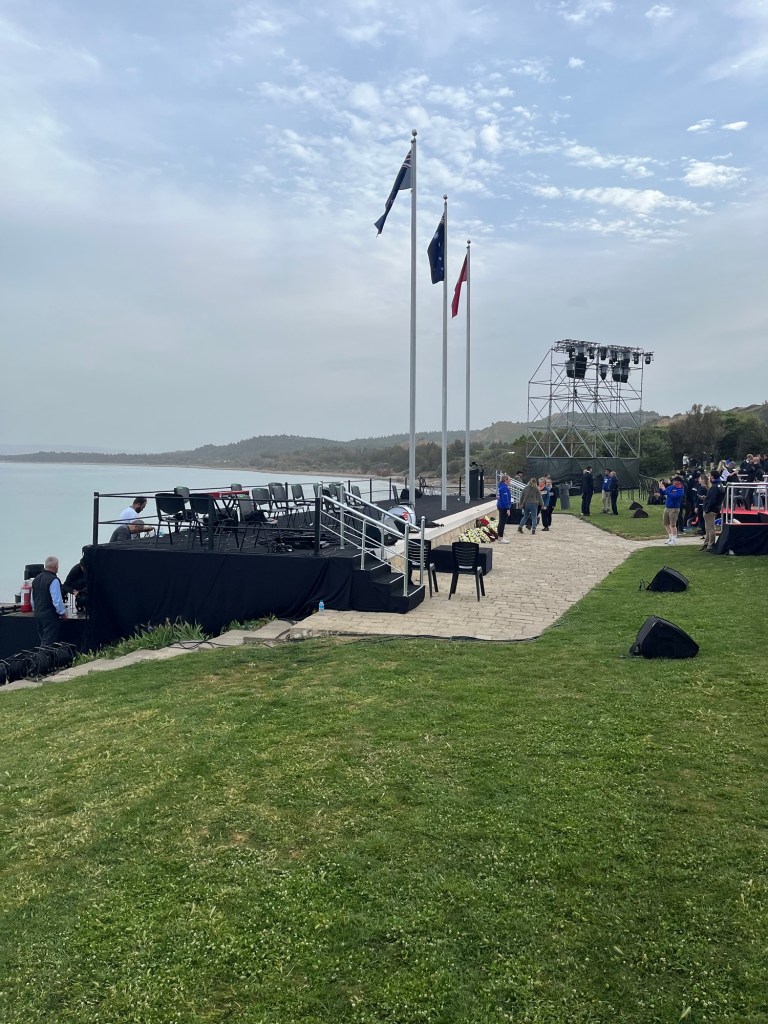
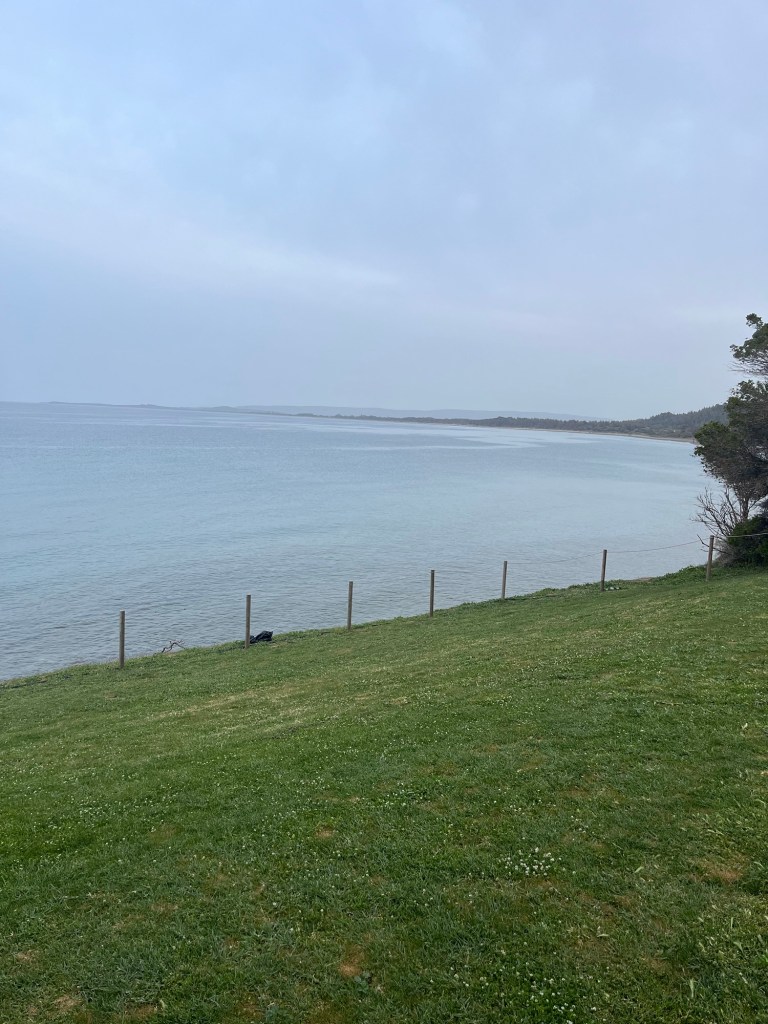
After the Dawn Service concluded, it was time to journey to Chunuk Bair for the New Zealand service. Fortunately, there was ample time—around 3 hours—to reach the site, allowing for a leisurely pace and the opportunity to absorb the surroundings. The trek to Chunuk Bair is awe-inspiring, following Artillery Road, a steep path that winds up the hills. Along the way, volunteers were handing out much-needed water, which proved essential during the ascent. Walking to the service was a profound experience, as there were informative displays along the path, offering insights into the challenges faced and providing breathtaking views overlooking the cove. It was sobering to imagine the difficulties soldiers encountered scaling these hills during battle. Even a couple of New Zealand Defence Force soldiers remarked how even today just how difficult it would be to navigate your way up while fighting (slideshow below shows the trek up to Chunuk Bair).
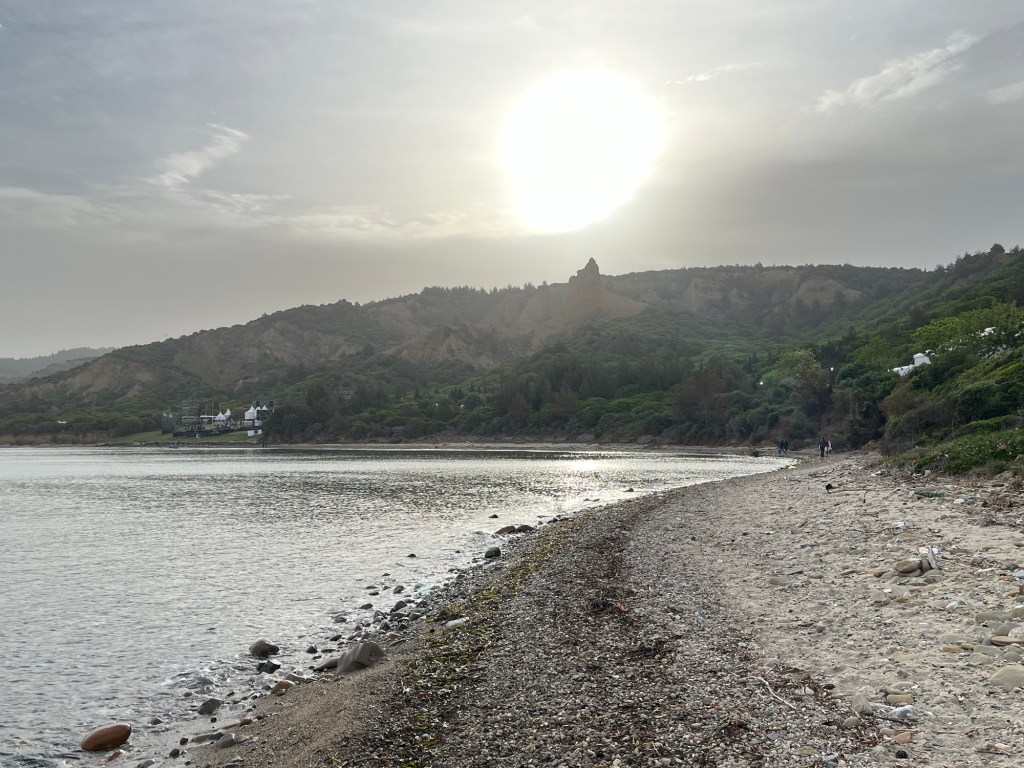
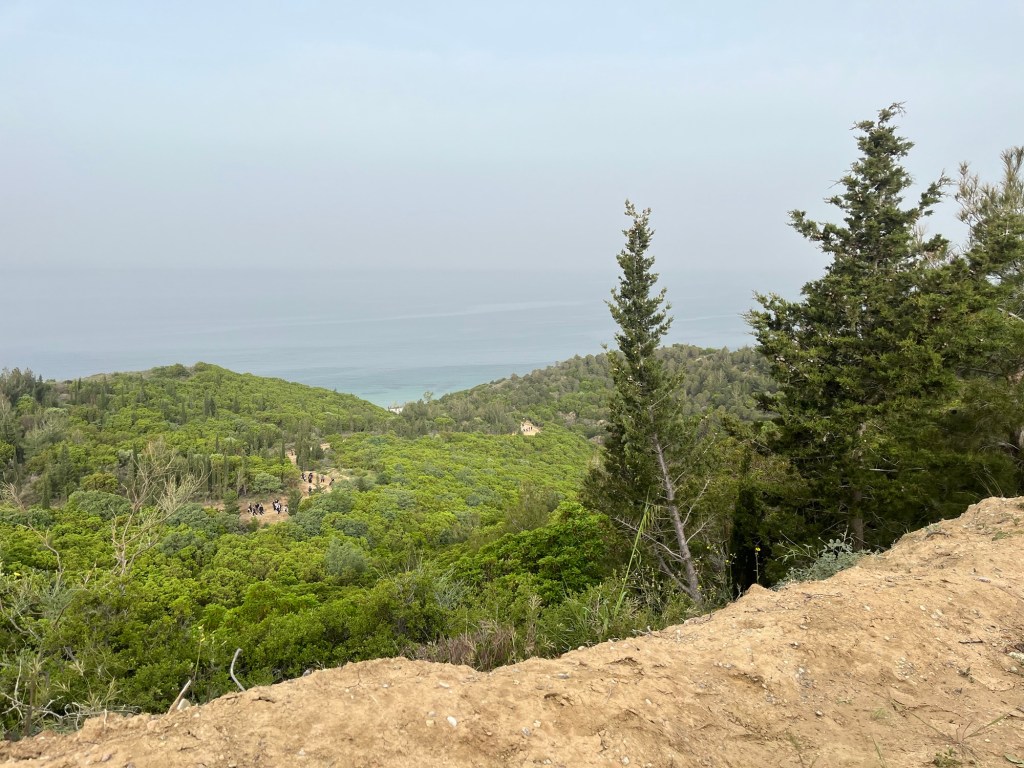
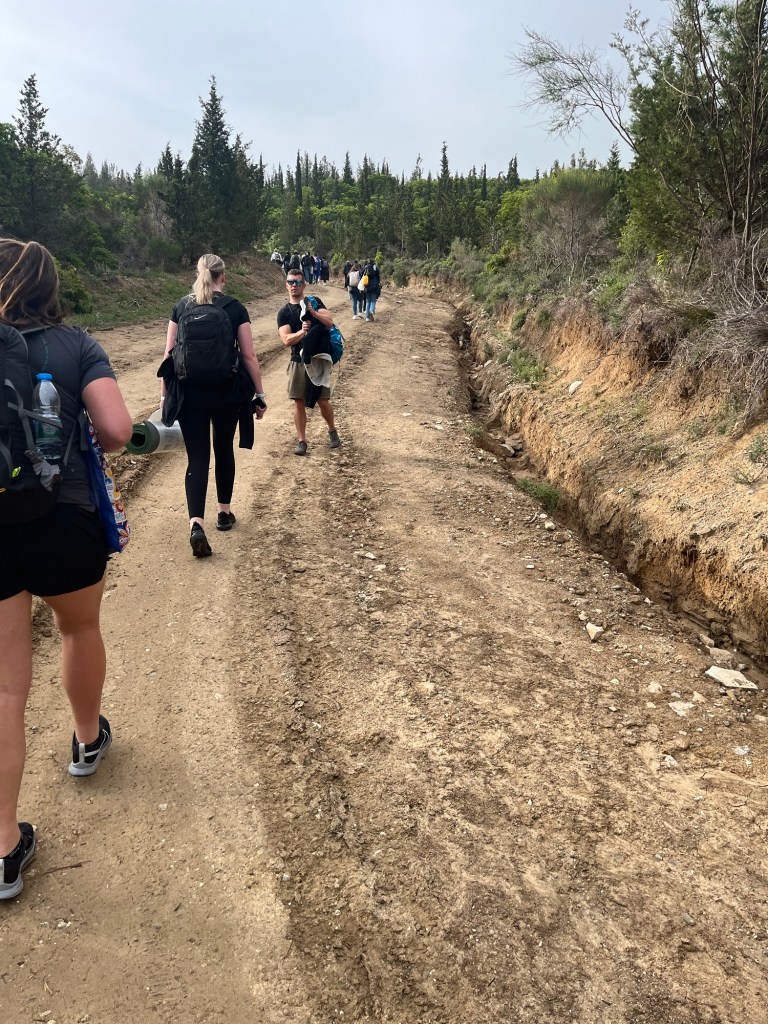
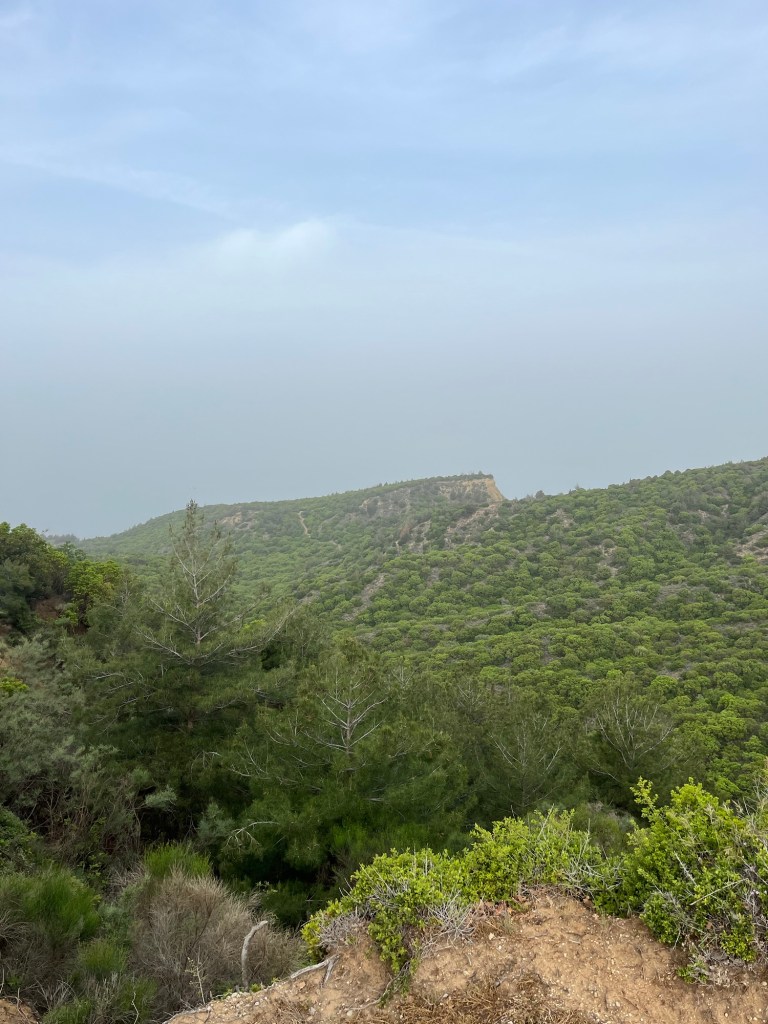
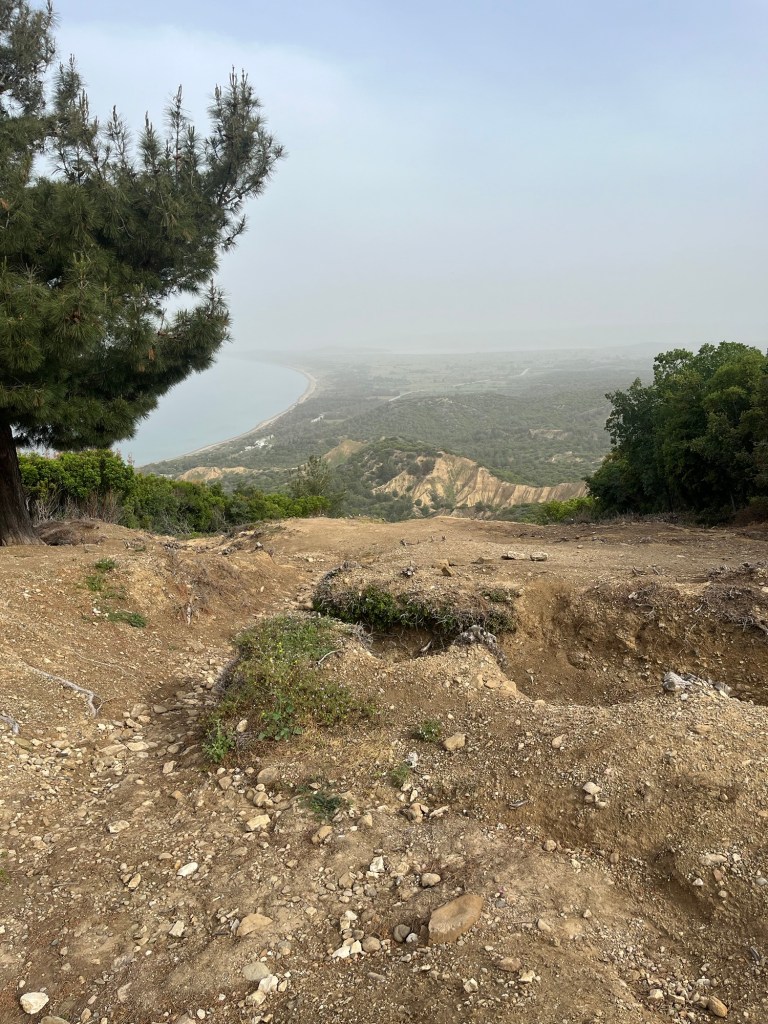
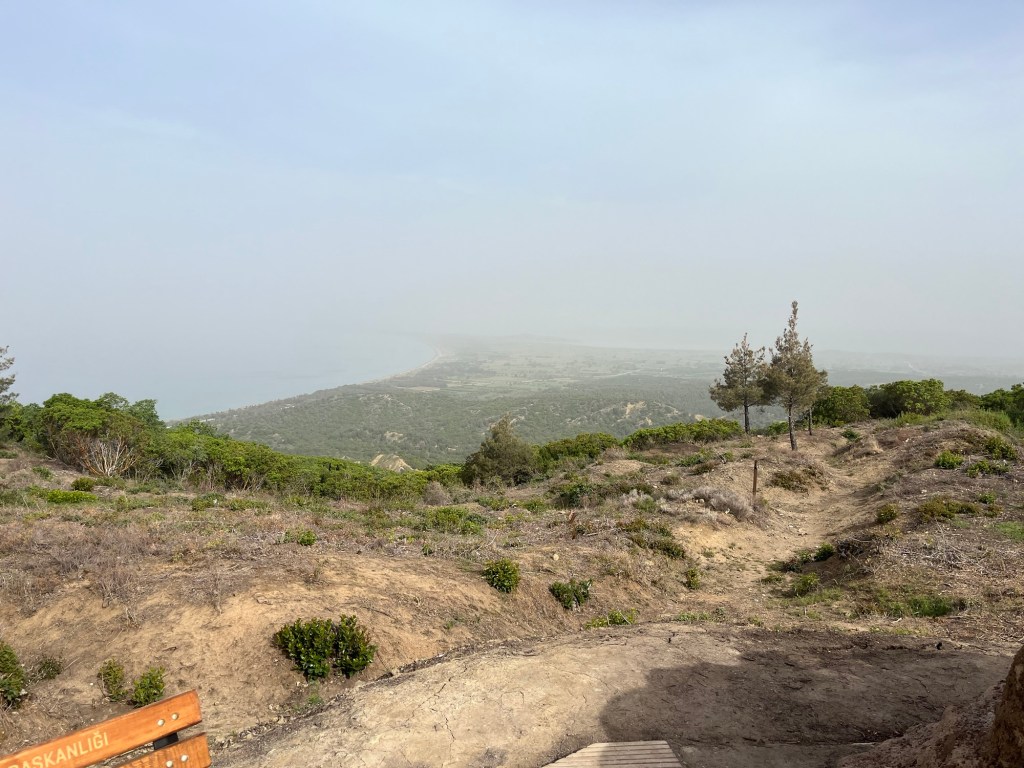
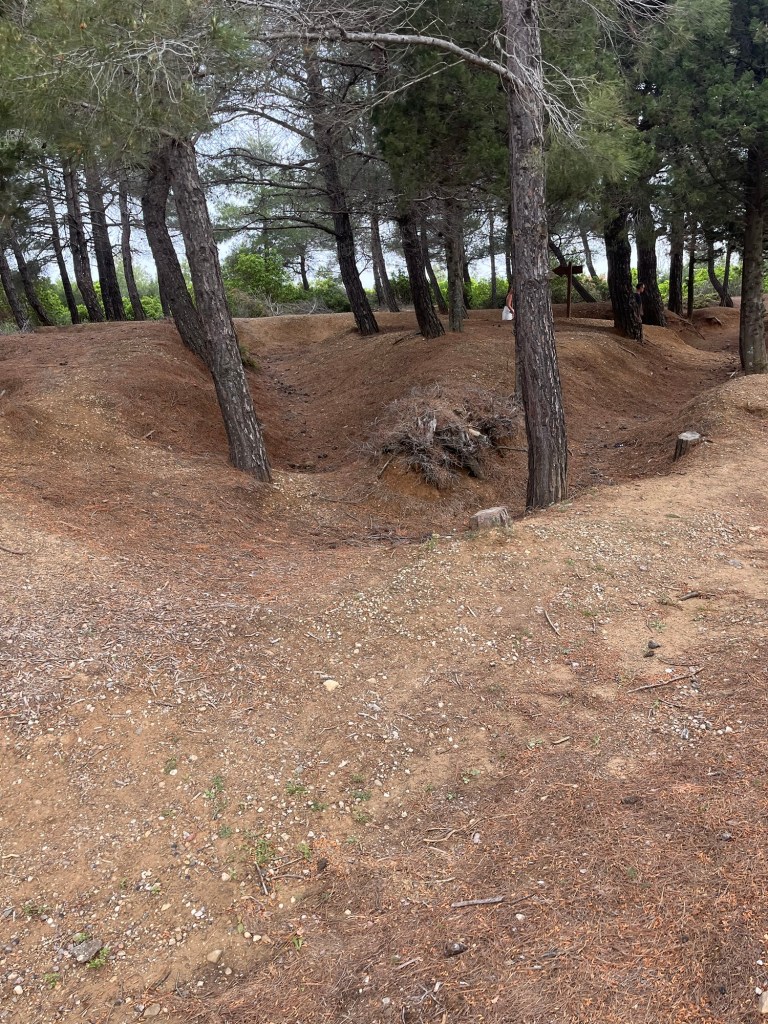
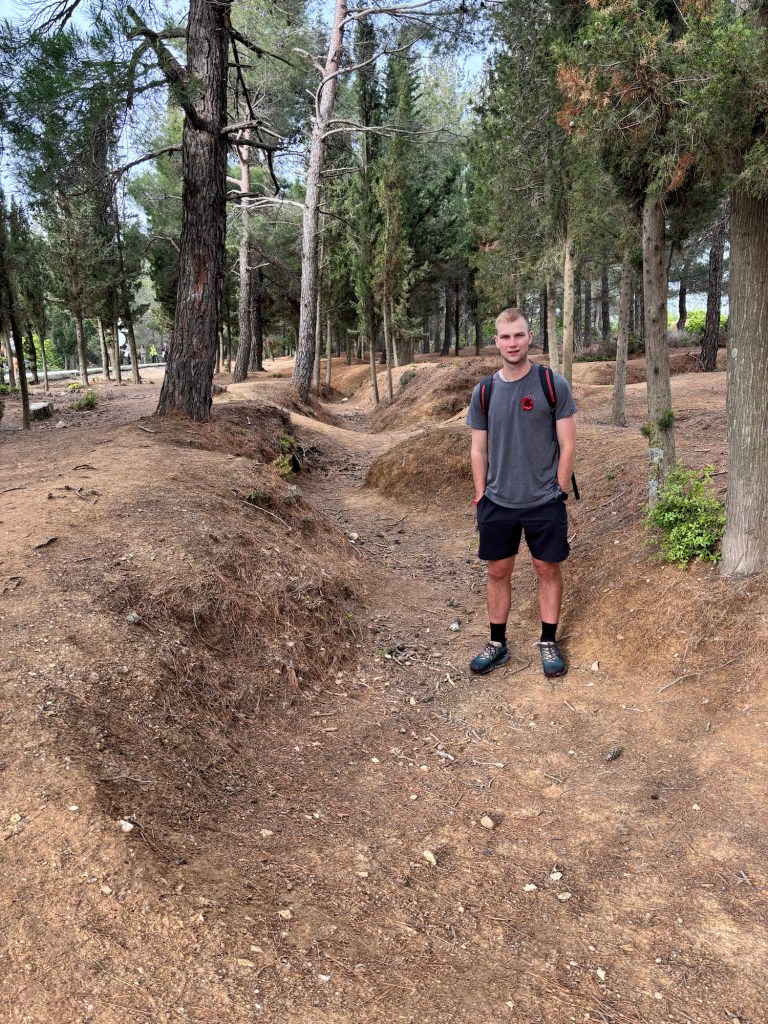
Along this journey, you pass by old sunken trenches where soldiers would have spent their final moments, and battlefields the size of a tennis court where 300 people fell to machine gun fire. Another poignant story recounts soldiers shooting down onto Turkish forces, only to be decimated themselves by a sudden machine gun attack from the right. Despite heavy casualties, two soldiers survived atop the hill, one soldier turned to say how lucky they were when the machine gun opened up again tearing through his head but stopping just before hitting the remaining soldier (the one who lived to tell this story). Experiencing these narratives firsthand while passing from Lone Pine to Chunuk Bair made every step worthwhile. Being in the very place where these events unfolded, and seeing remnants of the battle, was incredibly moving. I cannot recommend enough the experience of visiting these sites and immersing oneself in this history. Below are images from the journey to the New Zealand Service, including views of the old trenches.
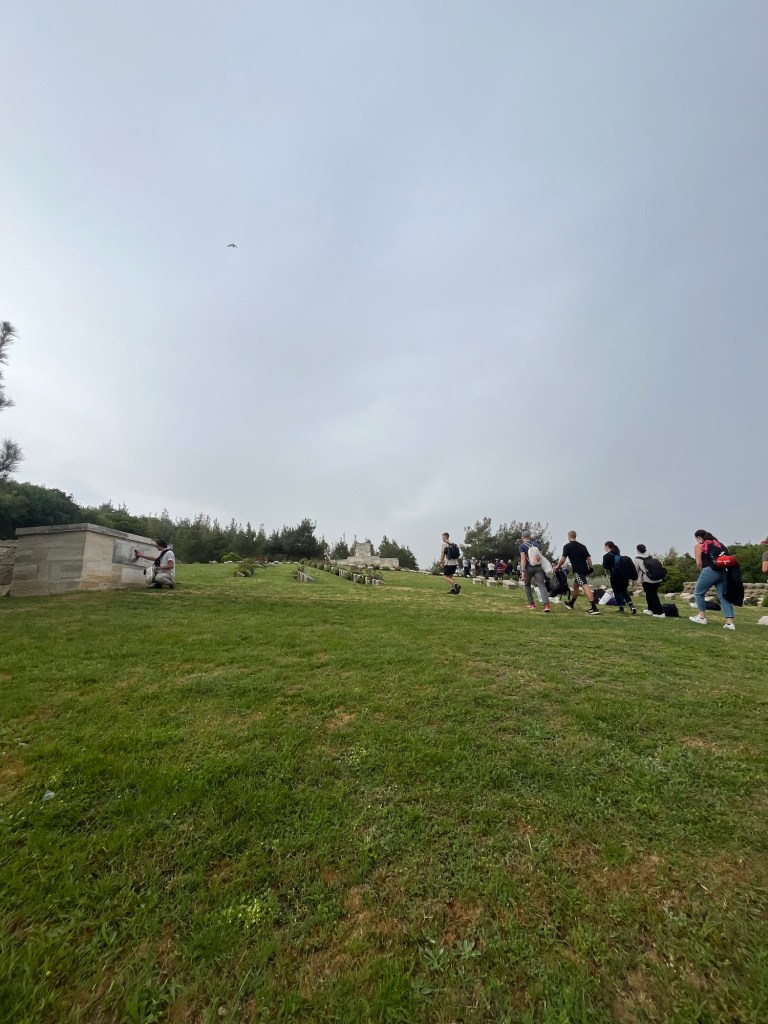
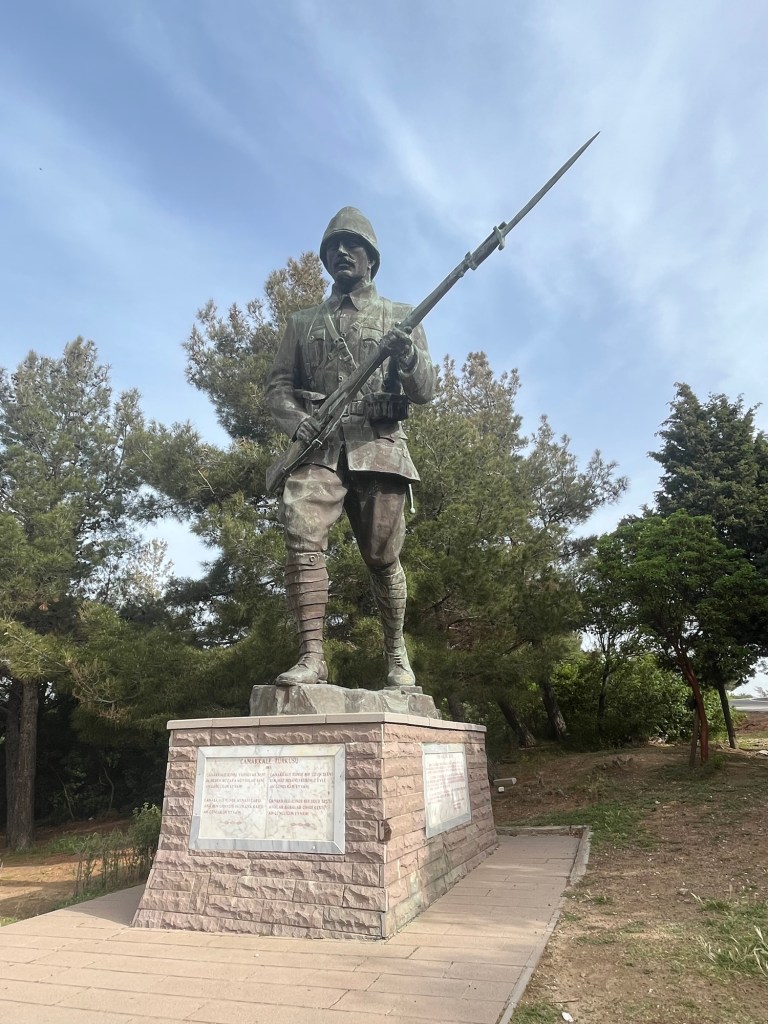
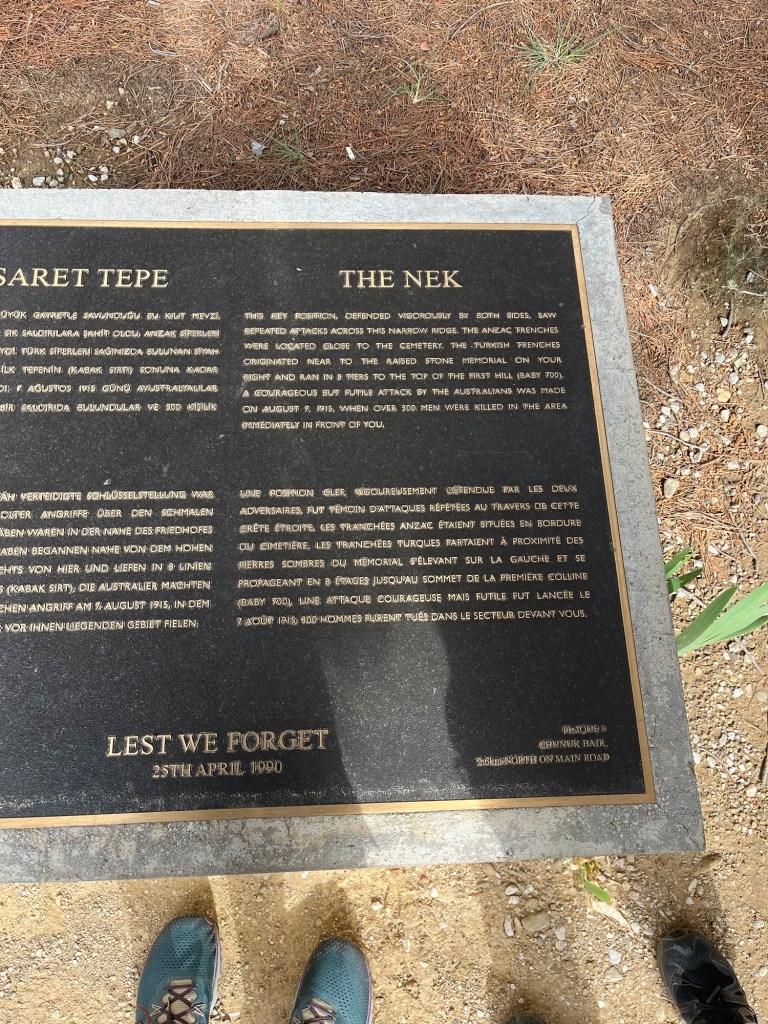
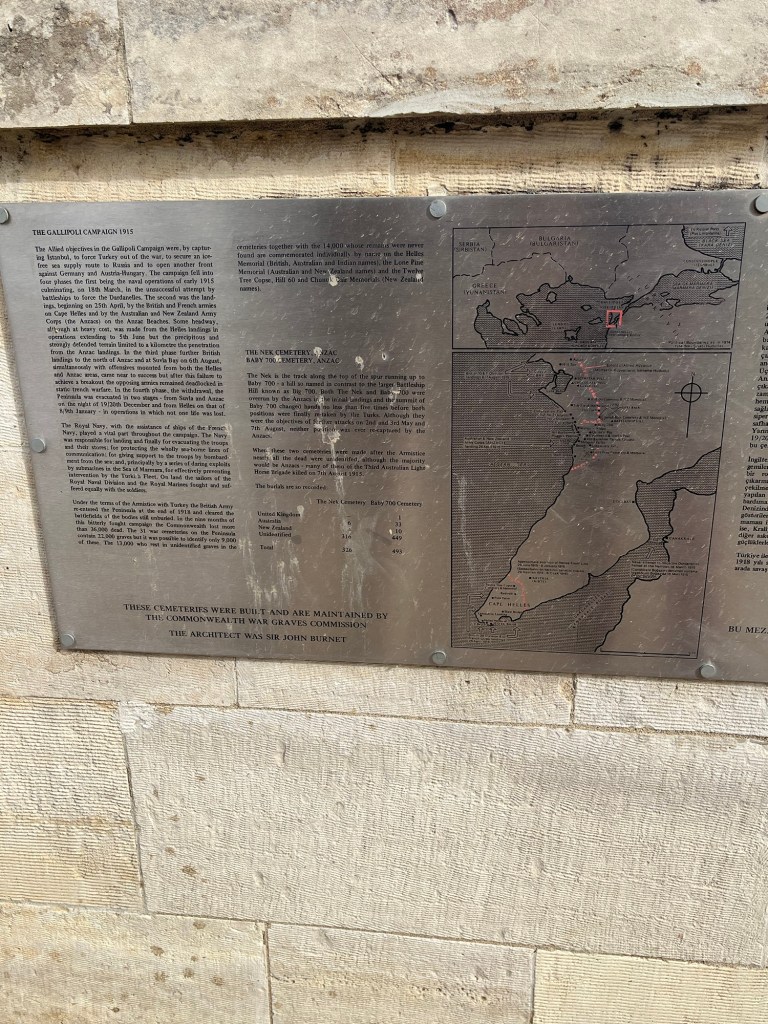

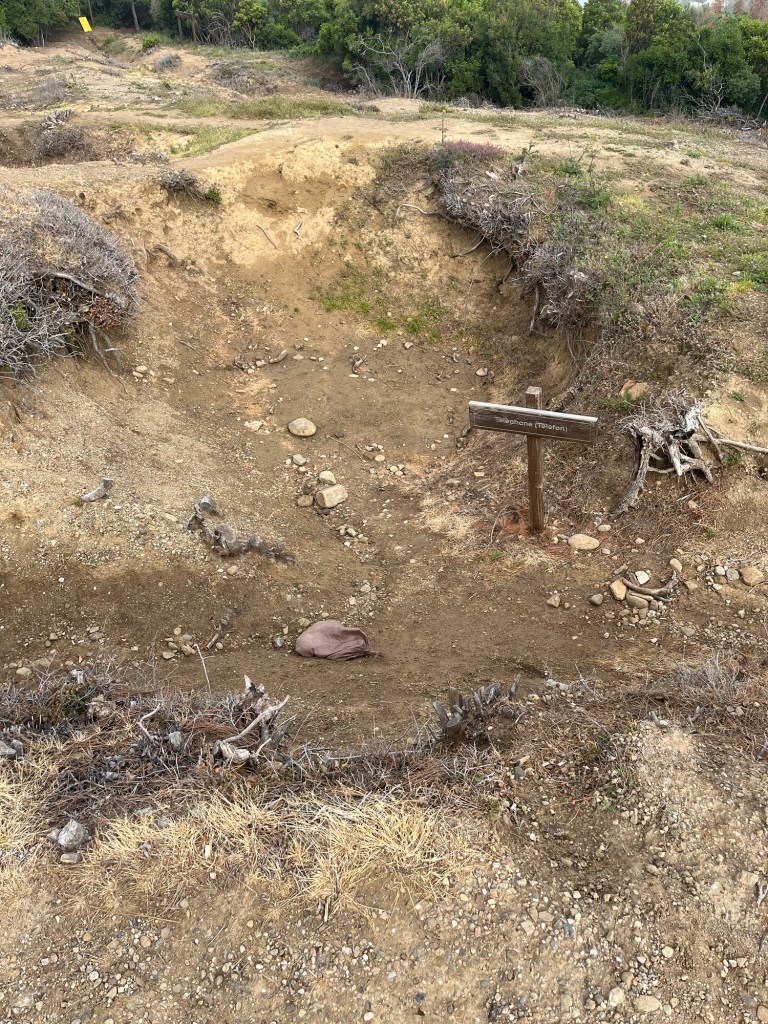
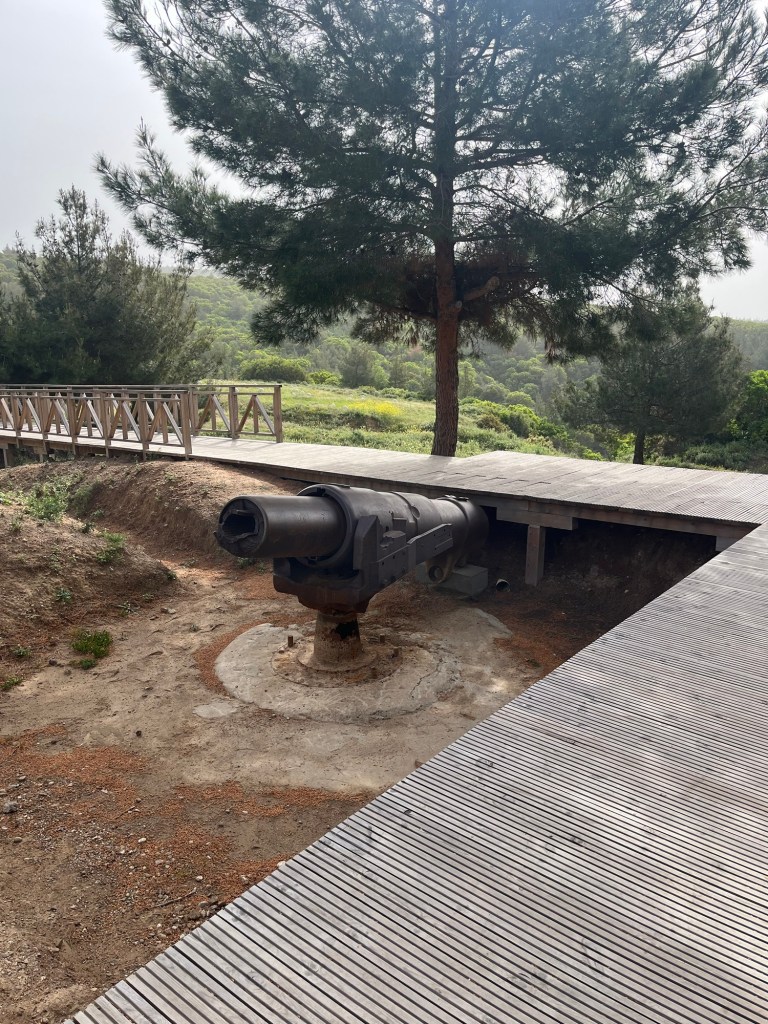
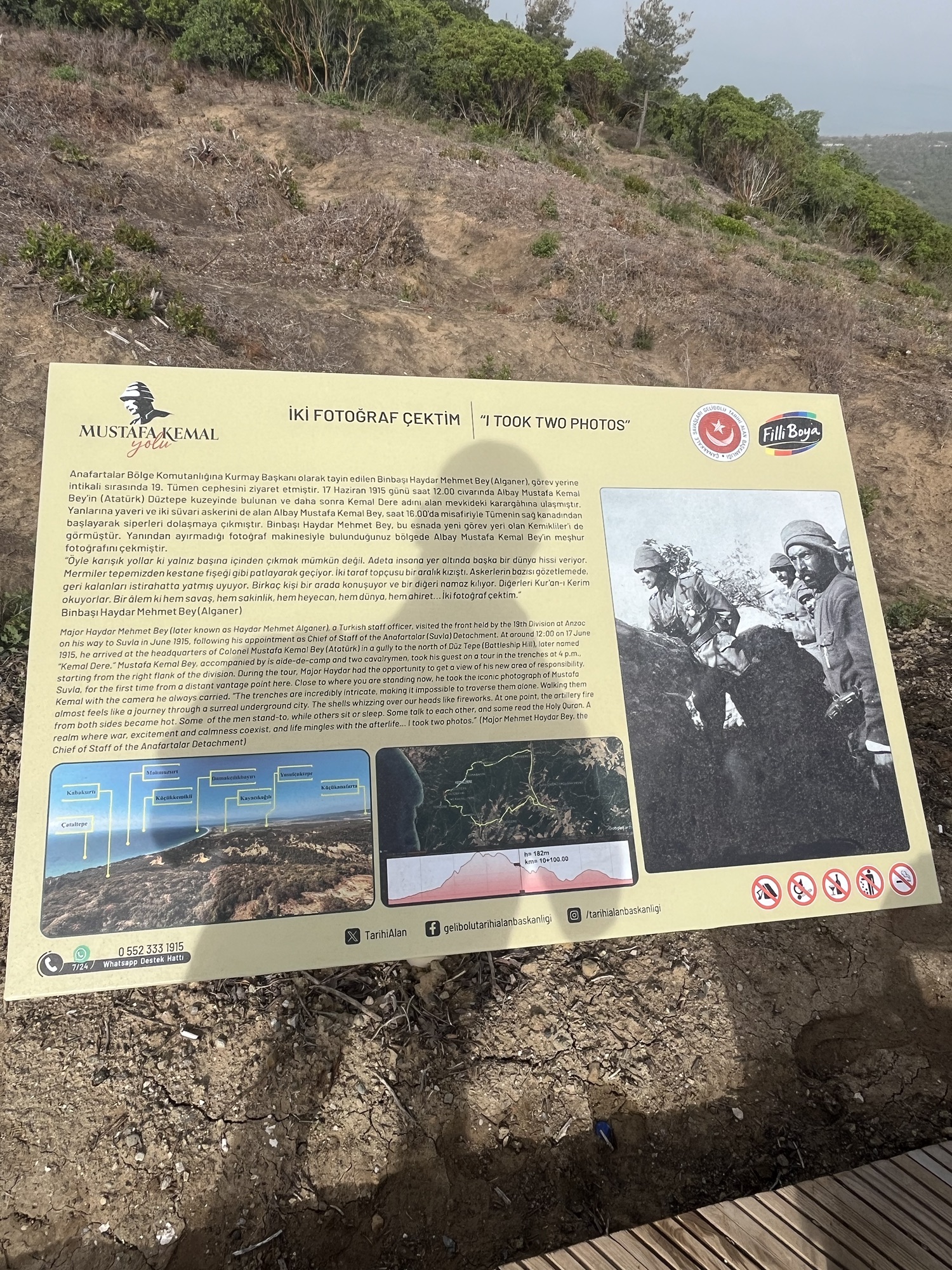
Now, through the final security check, it was time for the New Zealand service, which had been slightly delayed due to routine clearance by the bomb squad (nothing to panic about). The service at Chunuk Bair was equally moving, focusing on New Zealand’s significant role in the Gallipoli campaign. First-hand accounts were shared, depicting both the triumphs and tragedies, all underscored by a deep sense of unity. The service culminated in a profoundly emotional Haka performance. Afterward, it was time to make the short trip back to the shuttles.
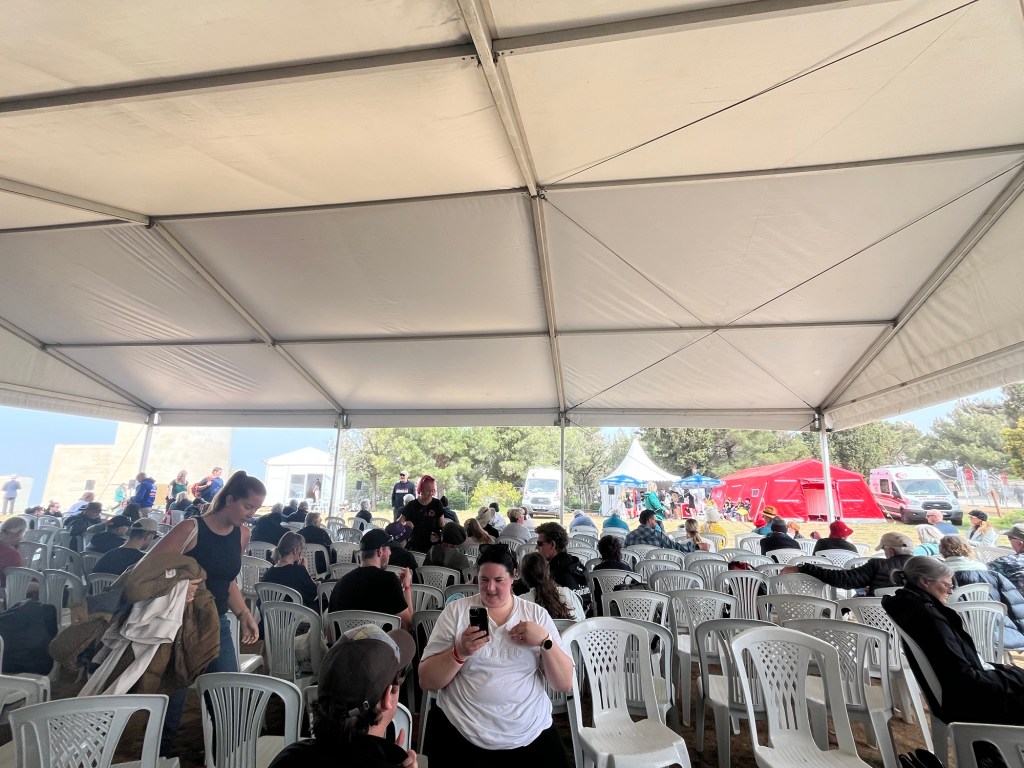
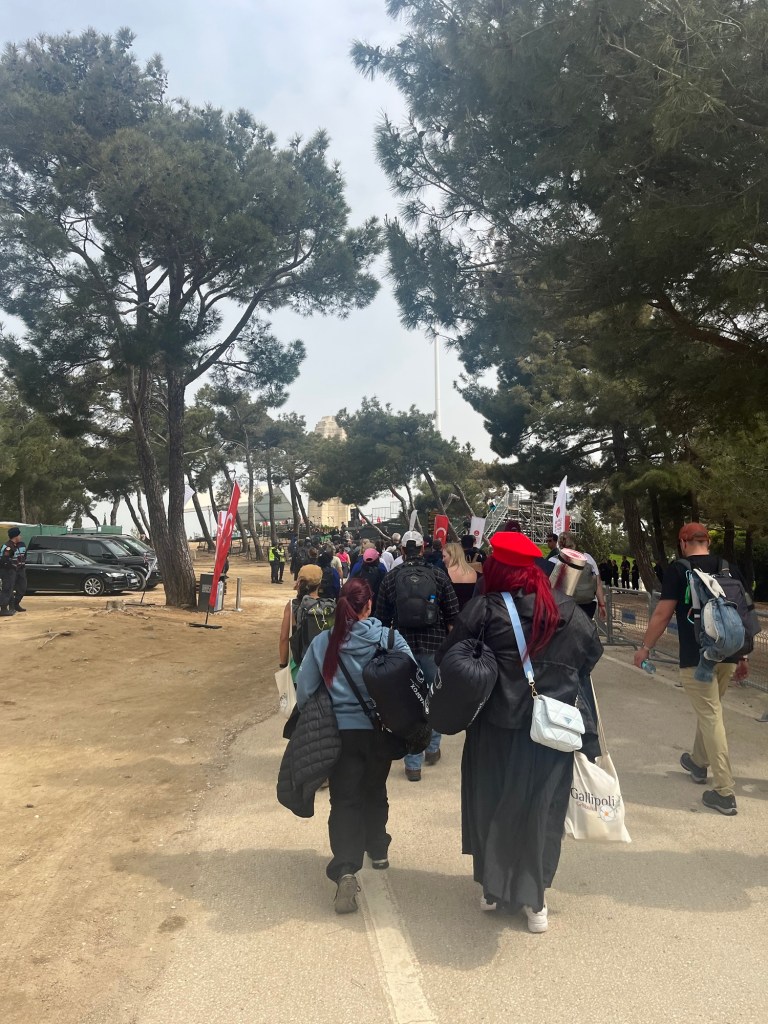
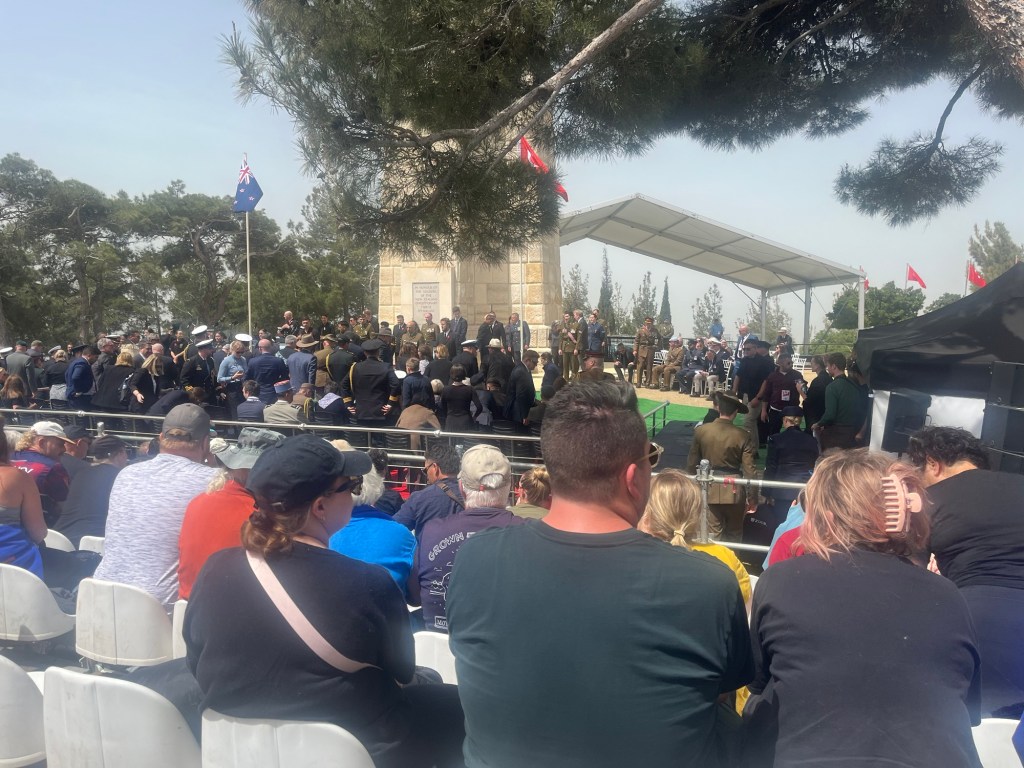
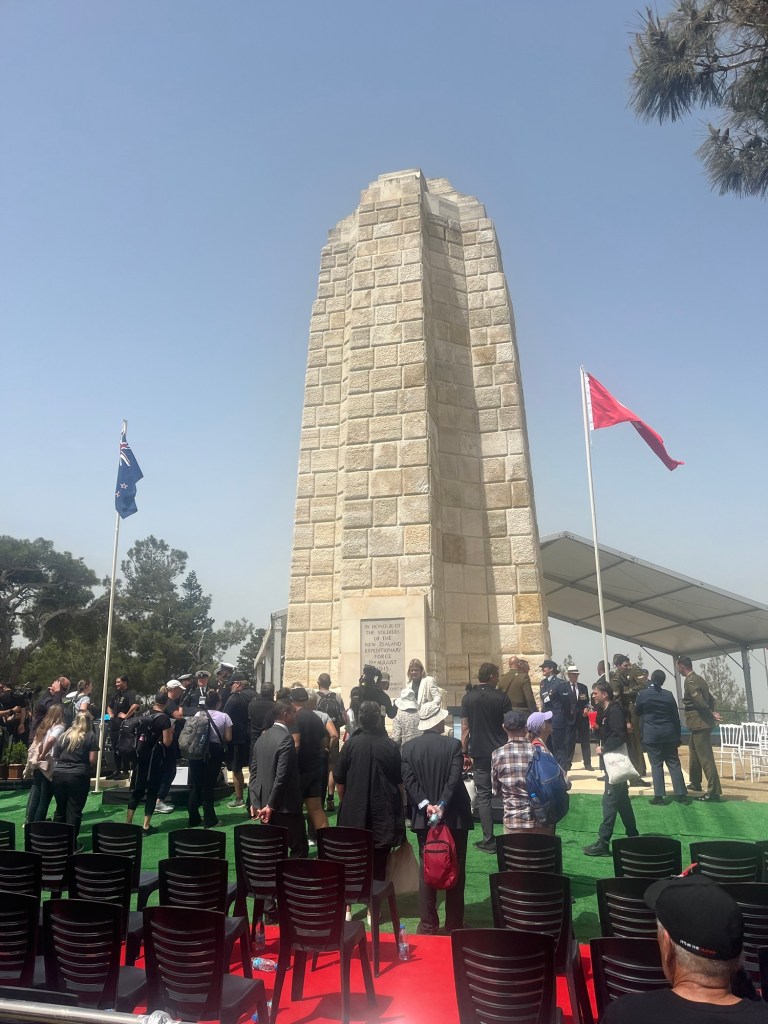
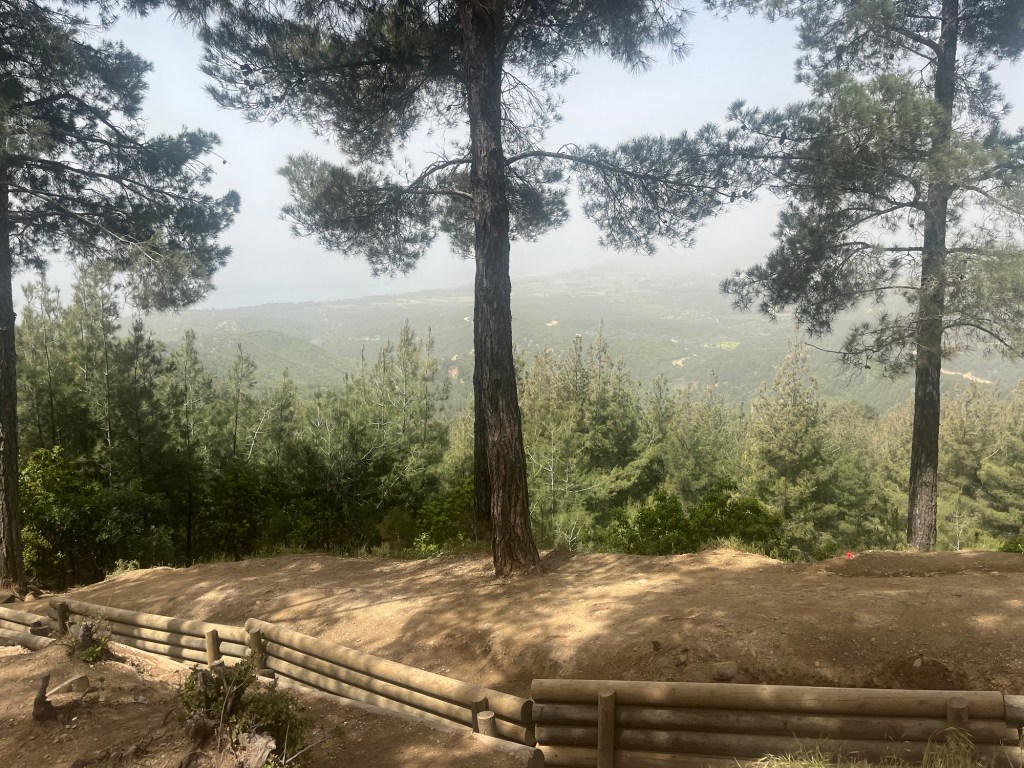
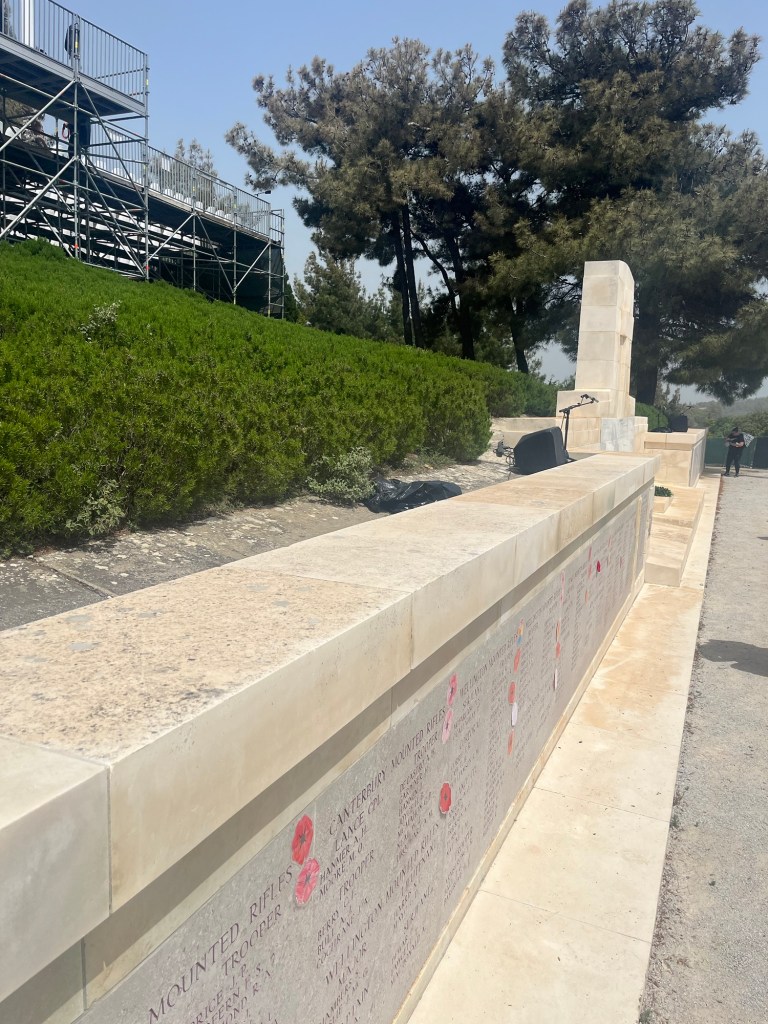
After waiting for quite some time, the shuttles finally arrived, and we were among the last to leave the area. The wait was a small price to pay for the incredible experience of a lifetime, one that I cannot recommend enough.
Rest of the day
Returning on the shuttle to the transition area near Eceabat posed one final challenge. Most people had driven there and left their cars, but having arrived by taxi meant there was no transport awaiting my return to Eceabat. The inability to call a taxi added to the predicament, but fortunately, another couple faced the same issue upon disembarking. Once again, the volunteers proved exceptionally kind and helpful; the same individual who had briefed us in the morning arranged for a taxi via his translator.
As this unfolded, a shuttle with volunteers arrived, and they generously offered to take all of us back to Eceabat since they were heading in that direction anyway. It was another moment of solidarity and community, ensuring we were safely returned to town.
Exhausted from lack of sleep and the overwhelming experiences of the day, I finally made it back to the hotel. However, the payment issue persisted; the hotel claimed Expedia hadn’t settled the bill, a problem that affected other guests as well. In my fatigued state, I decided to pay the bill myself, intending to sort out the matter with Expedia at a later time.
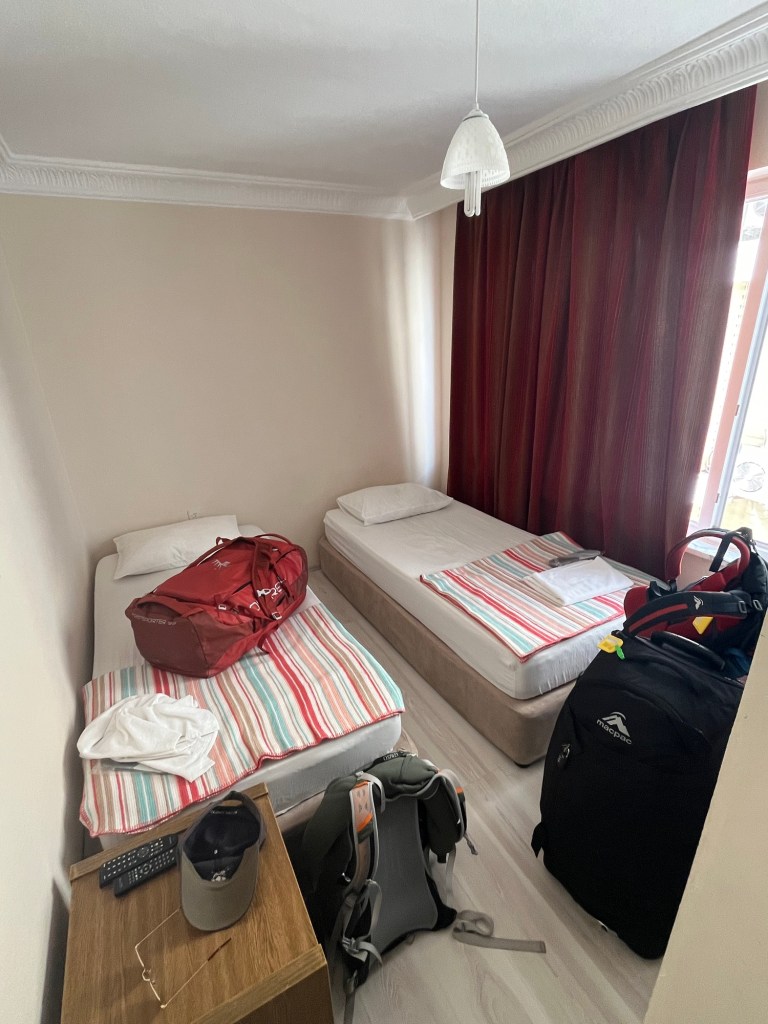
Checked into the hotel, the next order of business was lunch. First, I returned to the bench area where we had relaxed the previous night and miraculously found my sunscreen still hidden up in the rafters, which was a relief.
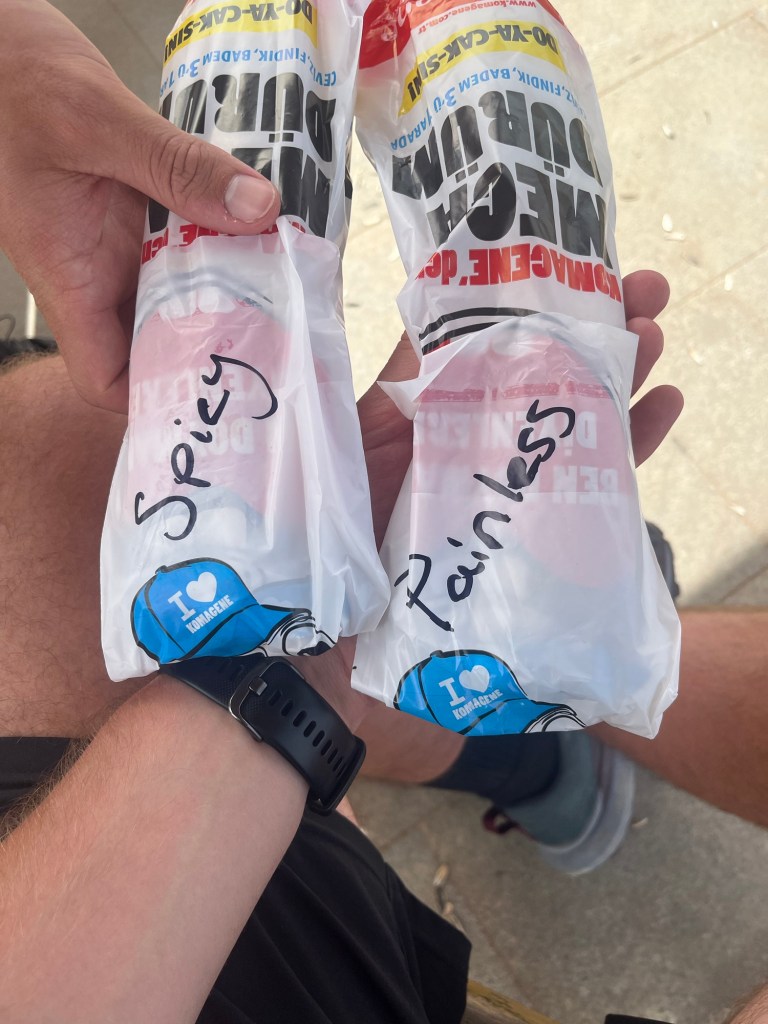
Afterwards, we headed out to get Durum for lunch. Matt opted for the spicy option, while I chose the plain one, sticking to my “boring white guy” preference. The Durum themselves were cheap as chips (cheap as Durum), so we each got two, saving one for dinner later. The ladies making them had a bit of humour, giggling to themselves during the process, as captured in the image below.

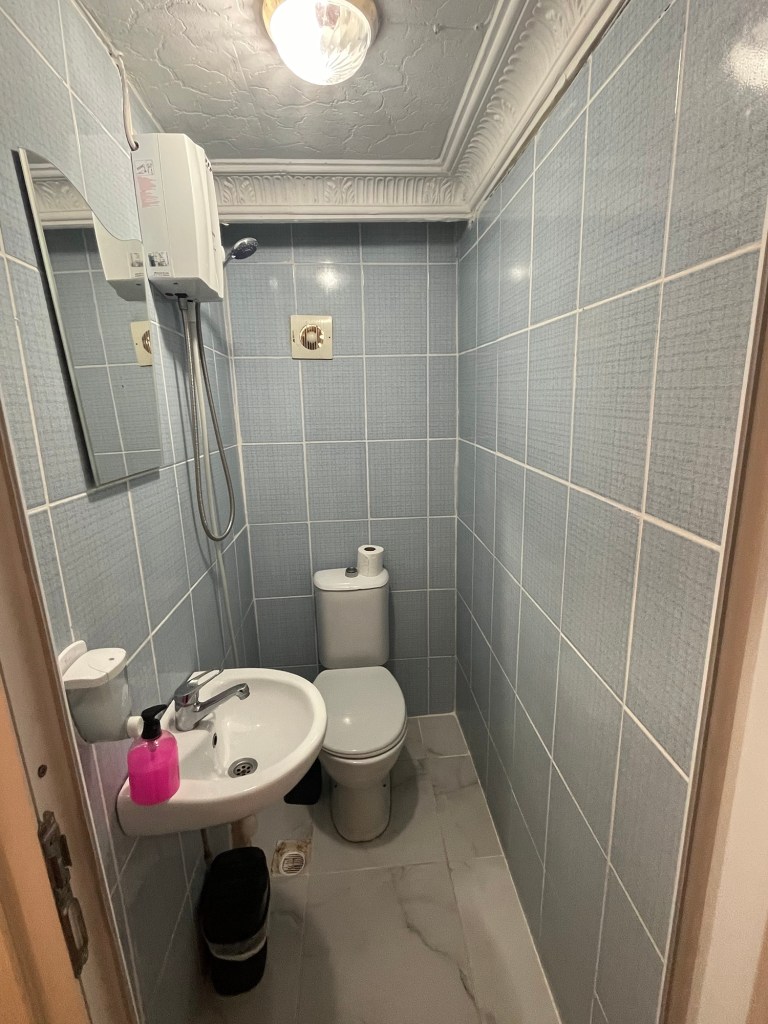
Full and tired, the hotel bed was calling after a refreshing shower. The shower itself was an unusual experience, as depicted in the hostel images, with its positioning over the toilet, requiring a bit of manoeuvring to use. I guess it brings a new meaning to multi-tasking if you decide to shower and use the toilet at the same time.
After a long but satisfying day, it was time to hit the hay and rest up for an early start to catch the ferry back across in the morning, where a few close calls were waiting to unfold…

Good on you for making it to the end of this monumental amount of text! I hope you found it enlightening, and if not, perhaps it’s time to pick up a new language or explore another interest. Stay tuned for the next blog instalment—you never know where the journey might take us next!
 Rural Lad Abroad
Leave a comment